

Fall in Southwest Florida is arguably the best fishing window of the entire year. From September through November, cooling water temperatures, the fall mullet run, and shifting bait patterns trigger some of the most productive fishing across every habitat from the mangrove backwaters to the nearshore reefs. Redfish form massive schools on the flats. Snook stack up along mangroves and passes. Spotted seatrout hit hard on cooler grass flats. Kingfish migrate through the nearshore zone. Grouper move closer to accessible structures. If you had to pick one three-month window to fish Fort Myers, Sanibel, Cape Coral, and Charlotte Harbor, this is it.
But “in season” does not always mean “legal to keep.” That is the single most important thing anglers need to understand about SWFL fall fishing. A species can be abundant and biting aggressively while harvest is still closed under FWC regulations. Nowhere is this more critical than snook, which reopens for harvest in most of Florida on September 1, but stays closed in the Charlotte Harbor and Southwest Florida management zone until October 1. Anglers who assume September snook are keepers get fined heavily every year.
This complete guide covers what fish are in season for each month from September through November, the exact 2026 FWC regulations for every major species, where to find them, how to fish them, and how to time your fall trip to Southwest Florida for the species you actually want to target.
Why Fall Is the Best Fishing Window in Southwest Florida
Three factors combine in fall to create the most productive fishing of the year.
Water temperature reset. Summer surface temperatures on the flats push well into the mid-80s, forcing many species into deeper cooler water and reducing feeding activity in the shallows. As fall arrives and water drops back into the upper 70s and low 80s, fish return to shallow feeding zones. Metabolism ramps up. Predators feed aggressively to build reserves before winter.
The fall mullet run. Massive schools of striped and silver mullet migrate through the passes and along the beaches from late August through November, triggering feeding frenzies from every major predator in the region. The mullet run is so central to fall fishing patterns that it deserves its own strategy discussion. For the complete breakdown of timing, hotspots, and predator tactics, our full guide to the fall mullet run in Southwest Florida covers exactly when the migration fires, where the bait concentrates, and which species show up to feed.
Weather stabilization. Summer afternoon thunderstorm patterns fade through September and October. By November, the weather typically stabilizes into calm mornings, moderate winds, and comfortable air temperatures. Nearshore trips become far more accessible than they were during peak summer heat and storm season.
The combination of active fish, abundant bait, and cooperative weather makes fall the most versatile fishing window on the calendar. A single trip can realistically produce snook, redfish, trout, mackerel, and grouper depending on where you fish and how the captain rotates through zones.
September Fish in Season in SWFL
September is the transition month. Summer patterns are still holding early, but the seasonal shift accelerates through the month. First cold fronts start pushing through by late September, triggering fish behavior changes across the region.
Redfish
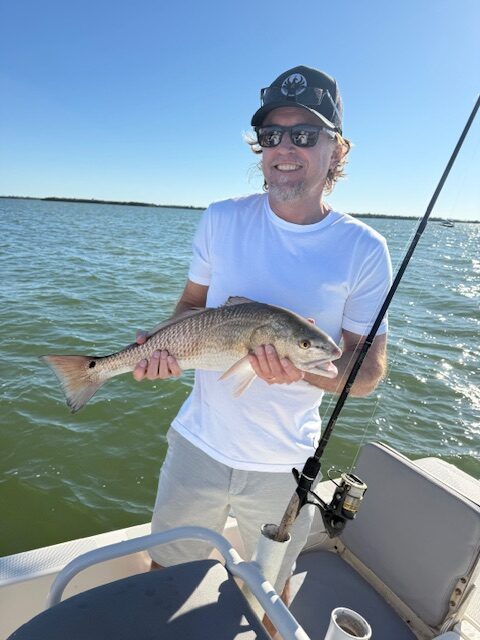
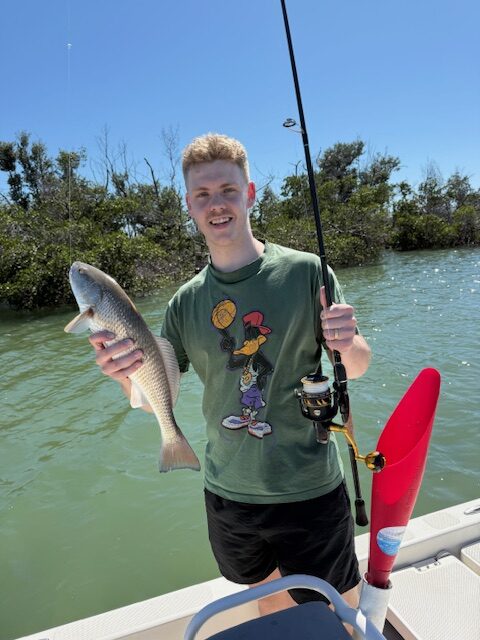
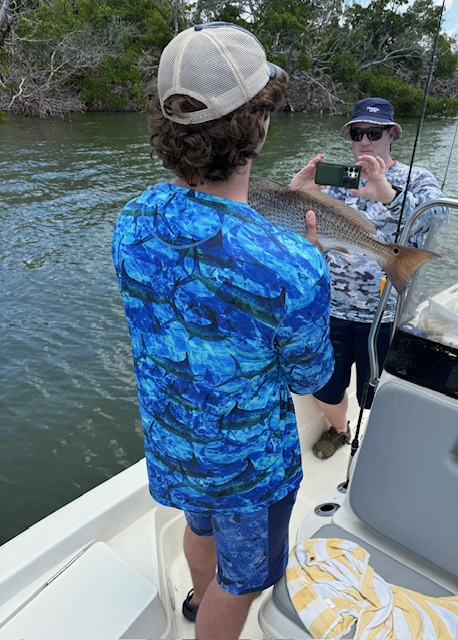
September opens the peak redfish window in Southwest Florida. As mullet start staging in the estuaries and bait movement increases, redfish form large school aggregations on the shallow flats, oyster bars, and mangrove shorelines. Schools of 50 to 200+ fish are common in Pine Island Sound, Estero Bay, and the Charlotte Harbor system. Sight-casting these schools during the first two hours of a rising tide is some of the most exciting fishing of the entire year.
Regulations: Open year-round. Slot: 18 to 27 inches. Bag limit: 1 per person per day, 2 per vessel.
Best tactics: Gold spoons, weightless soft plastics, cut mullet, and live shrimp under popping corks. Sight-cast the schools rather than blind-cast the flats.
Snook (Still Catch-and-Release in SWFL)

This is where anglers get in trouble. Snook harvest reopens on September 1 across most of Florida. But in the Charlotte Harbor and Southwest Florida management zone (which includes Fort Myers, Sanibel, Captiva, Cape Coral, and Pine Island), the season stays closed through September 30. All snook caught in these waters during September must be released regardless of size.
The fishing itself is outstanding. Snook feed aggressively along mangrove edges, dock shadows, pass entrances, and beach troughs. Live pilchards, live shrimp, and topwater plugs at dawn produce explosive strikes. This is the pre-harvest window that dedicated snook anglers love because the fish are aggressive and the pressure is lower than October. For the complete regulations breakdown covering both the pre-closure summer period and the fall reopening timeline, our detailed guide to targeting snook during the SWFL pre-closure and reopening windows covers exactly how to fish the transition.
Regulations: SWFL zone closed through September 30. Catch and release only. Snook permit still required.
Spotted Seatrout
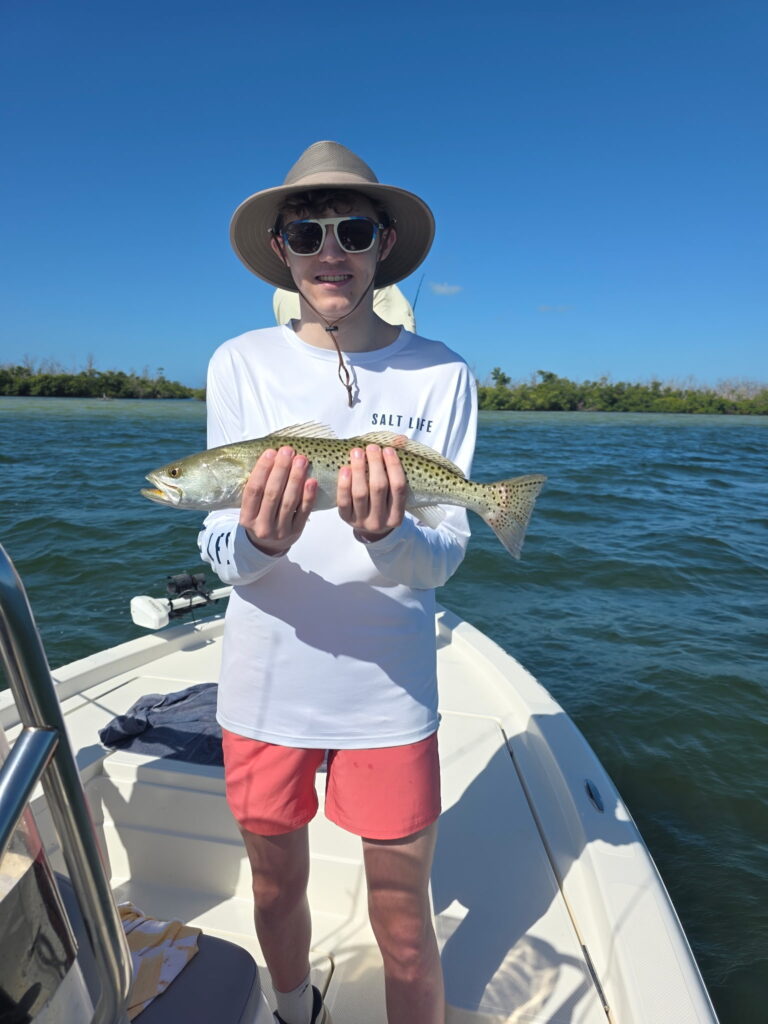
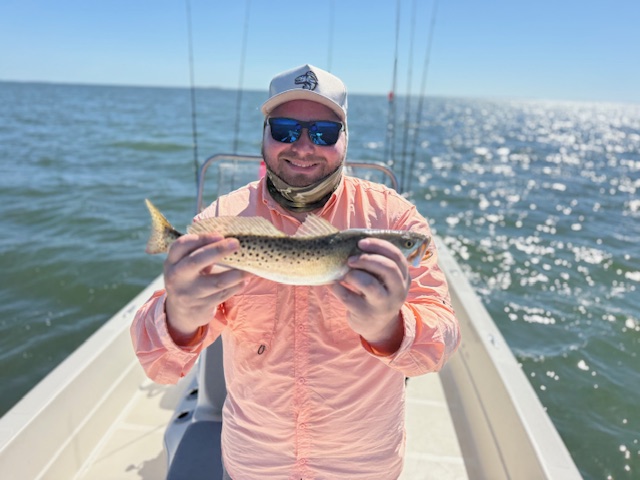
Trout fishing improves noticeably through September as water cools. Grass flats in 3 to 8 feet of water hold quality trout that feed aggressively on live shrimp and topwater plugs during cooler mornings.
Regulations: Open year-round. Slot: 15 to 19 inches (one fish over 19 inches allowed per angler). Bag limit: 3 per person per day.
Best tactics: Popping cork rigs with live shrimp over grass flats. Topwater plugs at dawn. Soft plastic paddle tails on light jig heads through deeper potholes.
Tarpon (Late Season Window)
September is the last strong tarpon month in Southwest Florida. Adult tarpon stack in the passes and along nearshore beaches to feed on adult striped mullet before their offshore migration. Boca Grande Pass, Captiva Pass, and the nearshore beaches from Fort Myers Beach south to Naples produce late-season tarpon shots throughout September and into October.
Regulations: Catch and release only unless targeting a state-record fish (requires tarpon tag).
Best tactics: Live crabs and large pilchards free-lined in the passes. Slow-troll adult mullet along the beaches. Watch for rolling fish at dawn.
Mangrove Snapper

Peak nearshore mangrove snapper action. Spawning aggregations on nearshore artificial reefs and hard bottom produce excellent catches throughout September. Larger snapper move onto shallower structure as summer water begins to cool.
Regulations: Open year-round in state waters. Minimum size: 10 inches total length. Bag limit: 5 per person per day (within the 10-fish snapper aggregate).
Red Snapper (Gulf Federal Season)
Fall red snapper season opens on September 1 in Gulf federal waters. Recent frameworks have provided daily openings through early October, followed by weekend-only fishing through the balance of the year. Exact 2026 dates require verification at MyFWC.com.
Regulations: Minimum size: 16 inches total length in federal waters. Bag limit: 2 per person per day. Circle hooks and descending devices required.
Gag Grouper (Narrow Window)
The Gulf recreational gag grouper season is exceptionally short. For 2026, the window is September 1 through September 14 in state waters and September 1 through October 1 in federal waters. This is the only window during the entire fall to keep a gag grouper.
Regulations: Minimum size: 24 inches total length. Bag limit: 2 per person per day (within the 4-fish grouper aggregate).
October Fish in Season in SWFL
October is the sweet spot for fall variety. Every major species is either at peak activity or entering peak activity. The mullet run fires hardest. Cold fronts start pushing through more regularly. Water temperatures drop into the low 80s and upper 70s. If you can only pick one month to fish SWFL, this is it.
Snook (Harvest Opens October 1 in SWFL!)
The single biggest October milestone. On October 1, snook harvest reopens in the Charlotte Harbor and Southwest Florida management zones. After being closed through the summer and September, anglers can finally keep a slot-sized snook.
Regulations for SWFL: Open October 1 through November 30. Slot: 28 to 33 inches. Bag limit: 1 per person per day. Snook permit required.
The bite is outstanding. Snook stack along mangrove points, dock shadows, and pass entrances to feed on the mullet run. Live pilchards free-lined along structure produce trophy fish. Topwater plugs at dawn and dusk deliver violent strikes. October snook are typically fat, aggressive, and available in bigger sizes than earlier in the year.
Redfish (Continued Peak)
Redfish action stays at peak throughout October. Schools continue tracking mullet across the shallow flats. Tailing fish become common in the calmer morning conditions as water clears up post-summer. Pine Island Sound, Estero Bay, and Charlotte Harbor all produce trophy-class redfish that push or exceed the upper slot limit.
Best tactics: Match the mullet size that redfish are feeding on. Weedless gold spoons, cut mullet on light tackle, and weightless soft plastics all produce.
Pompano Arrives
October is when pompano start showing up in the surf zone and around the passes. These acrobatic silver fish arrive with the cooling water and provide excellent light-tackle sport plus outstanding table fare.
Regulations: Open year-round. Minimum size: 11 inches fork length. Bag limit: 6 per person per day.
Best tactics: Sand fleas, small shrimp, and pompano jigs (nylon Doc’s or similar) worked along beach troughs and pass channels on moving tides.
King Mackerel Migration
The fall king mackerel migration is one of the highlight events of October and November on the nearshore reefs and beaches. Massive schools of kings move through the SWFL nearshore zone chasing baitfish. Trophy fish over 30 pounds are realistic targets for anglers who slow-troll live blue runners or threadfin herring over reef structure.
Regulations: Minimum size: 24 inches fork length. Bag limit: 2 per person per day.
Best tactics: Slow-troll live baits over nearshore reefs and along beach edges. Wire leader essential due to teeth.
Spanish Mackerel
Spanish mackerel arrive in force during October, feeding on smaller silver mullet along the beaches and around the passes. Fast retrieves with silver spoons and gotcha plugs produce non-stop action.
Regulations: Minimum size: 12 inches fork length. Bag limit: 15 per person per day.
Sheepshead (Building)
October marks the start of the sheepshead pre-winter buildup. Fish stage around bridge pilings, dock structures, and rock piles preparing for their winter spawn. Bite improves noticeably as water temperatures drop into the upper 70s.
Regulations: Open year-round. Minimum size: 12 inches total length. Bag limit: 8 per person per day (subject to change; verify at MyFWC.com).
November Fish in Season in SWFL
November transitions from the fall pattern into early winter. Weather stabilizes further, water temperatures drop into the 70s consistently, and the fishery shifts toward the cold-water species that dominate through winter. This is the final month for the fall snook harvest window and the peak of the king mackerel run.
Snook (Final Harvest Month)
November is the last month of the SWFL snook harvest window before the December through February closure. The action stays strong throughout the month, though colder fronts start pushing snook off the beaches and into the deeper backcountry channels. Passes, canal systems, and the Caloosahatchee River all hold quality snook through November.
Best tactics: Live shrimp and pilchards become the go-to baits as water cools. Slower presentations replace the aggressive topwater strikes of October.
Redfish (Continues Strong)
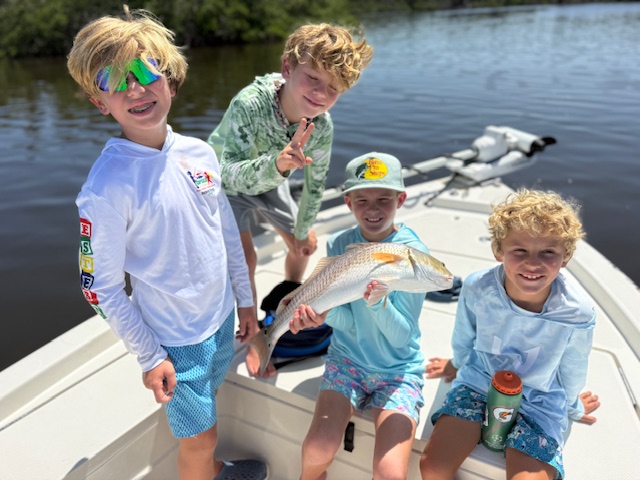
Redfish action stays outstanding through November. Schools become slightly smaller as some larger fish push into deeper channels and the Caloosahatchee, but shallow water sight-fishing remains excellent throughout the month.
Spotted Seatrout (Peak)
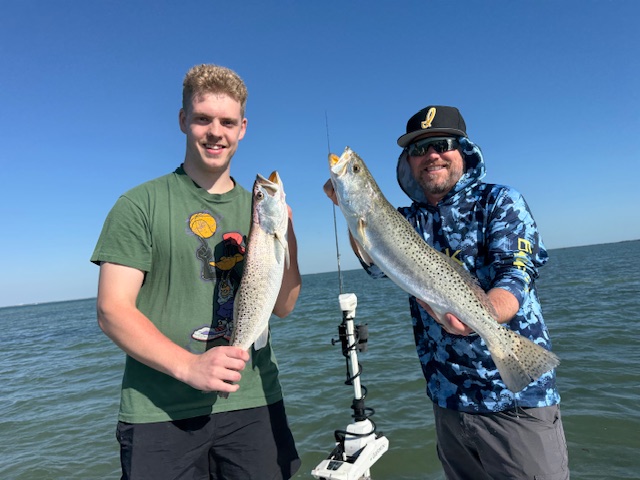
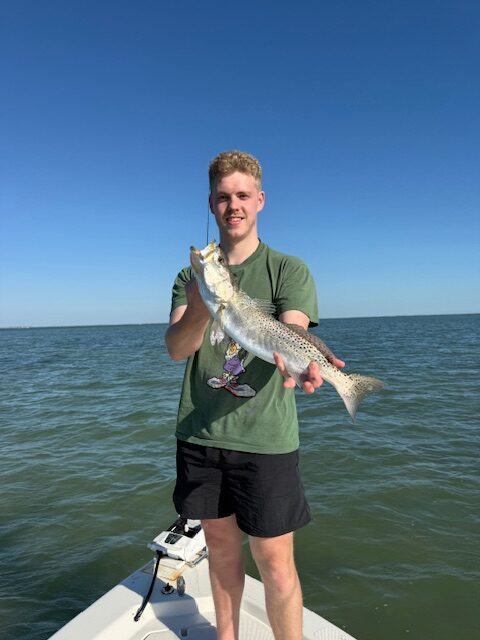
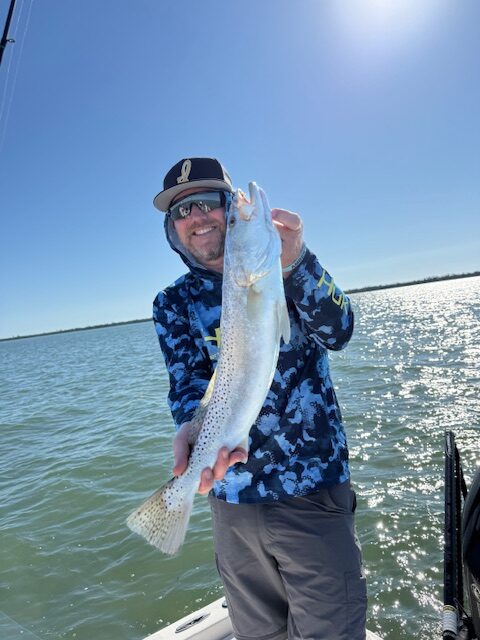
Peak trout month. Cold-water metabolism means trout feed aggressively throughout the day rather than just at dawn and dusk. Grass flats in 4 to 6 feet of water hold quality fish that eat popping cork rigs, soft plastics, and live shrimp all day long. Some of the biggest trout of the year come in November.
King Mackerel (Peak Migration)
The king mackerel run peaks in November. Fish are stacked on nearshore reefs and along the beaches. Some of the largest smoker kings of the year (30 to 50+ pounds) fall to anglers slow-trolling live baits over deeper structure.
Sheepshead (Excellent)
Sheepshead fishing hits its peak stride in November. Fish concentrate around bridge pilings, dock structures, and rock jetties in feeding aggregations. Fiddler crabs, live shrimp, and fresh sand fleas all produce.
Red Grouper (Closer to Shore)
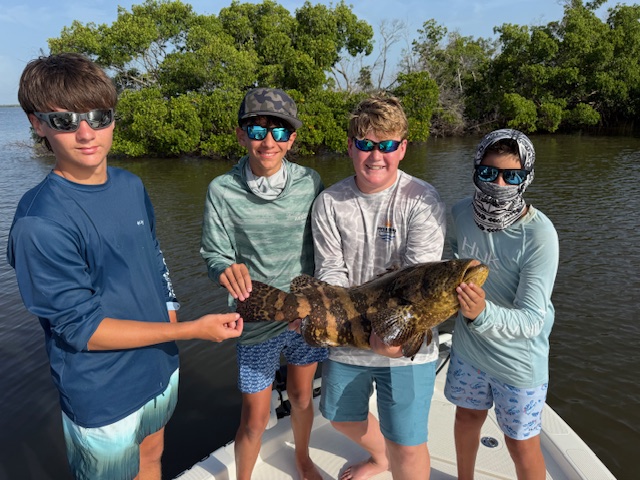
Cooler water temperatures push red grouper closer to accessible nearshore structures. Reef trips in 40 to 80 feet of water produce consistently for red grouper throughout November.
Regulations: Open year-round in Gulf state waters. Minimum size: 20 inches total length. Bag limit: 2 per person per day (within the 4-fish grouper aggregate).
Flounder (With a Closure Note)
Flounder migrate through the region in fall, but note the 2026 closure: flounder harvest is closed October 15 through November 30 across Florida. Fish caught during this window must be released. Bite typically picks back up when the season reopens December 1.
SWFL Fall Fishing Regulations Table (2026)
Because regulations are the most confusing part of fall fishing, here is the complete breakdown for the major SWFL species.
| Species | Fall 2026 Status | Slot/Size Limit | Bag Limit | Key Notes |
|---|---|---|---|---|
| Snook (SWFL zone) | Open Oct 1 – Nov 30 | 28 to 33 inches | 1 per person/day | Closed Sept 1-30 in SWFL. Snook permit required. |
| Redfish | Open year-round | 18 to 27 inches | 1 per person, 2 per vessel | Peak fall window Sept-Nov |
| Spotted Seatrout | Open year-round | 15 to 19 inches (1 over allowed) | 3 per person/day | Peak in November |
| Mangrove Snapper | Open year-round | 10 inches min | 5 per person/day | Within 10-snapper aggregate |
| Red Snapper (Gulf) | Sept 1 opens (weekends later) | 16 inches min | 2 per person/day | Federal waters. Verify dates. |
| Gag Grouper | Sept 1 – Sept 14 (state) | 24 inches min | 2 per person/day | Very short window. Within 4-fish aggregate. |
| Red Grouper | Open year-round | 20 inches min | 2 per person/day | Within 4-fish grouper aggregate |
| Black Grouper | Open year-round | 24 inches min | 4 per person/day | Within 4-fish grouper aggregate |
| Tarpon | Catch and release | N/A | N/A | Tarpon tag required for harvest attempt |
| Pompano | Open year-round | 11 inches fork | 6 per person/day | Peaks October-November |
| King Mackerel | Open year-round | 24 inches fork | 2 per person/day | Fall migration peak Oct-Nov |
| Spanish Mackerel | Open year-round | 12 inches fork | 15 per person/day | Beach zones October-November |
| Sheepshead | Open year-round | 12 inches min | 8 per person/day | Builds through fall, peak winter |
| Flounder | CLOSED Oct 15 – Nov 30 | 14 inches min | 5 per person/day | Migration closure |
| Cobia | Open year-round | 36 inches fork | 1 per person/day, 2 per vessel | Fall migration on nearshore reefs |
Regulations change annually. Always verify current rules at MyFWC.com or through the Fish Rules app before your trip. For anglers wanting the complete species-by-species picture that extends beyond fall, the full guide to Fort Myers fish species breaks down every major target across the region’s inshore, nearshore, and offshore fisheries.
Fall Fishing Forecast: September vs October vs November
Different months bring different species peaks. Match your trip timing to your target.
September at a Glance
Best for: Redfish schooling, late-season tarpon, mangrove snapper aggregations, catch-and-release snook.
Watch for: SWFL snook closure through September 30 (biggest angler mistake of the fall). First cold fronts trigger fish behavior shifts.
Weather: Still summer-like early. Afternoon storms possible. Morning departures dominate.
October at a Glance
Best for: Snook harvest reopens October 1 in SWFL. Peak fall variety. Cobia, kingfish, pompano arrive. Redfish continue peak.
Watch for: Cold fronts producing pre-front and post-front feeding windows. Mullet run peaks. Booking demand highest.
Weather: Comfortable temperatures. Reduced storm frequency. Weather-dependent nearshore trips much more accessible.
November at a Glance
Best for: Trout peak. Kingfish peak migration. Sheepshead excellent. Redfish continues. Grouper moves closer inshore.
Watch for: Flounder closure October 15 through November 30. Final month of SWFL snook harvest before December closure. Colder mornings.
Weather: Stable weather patterns. Colder mornings but warm afternoons. Excellent nearshore travel weather.
For the complete calendar covering the fall window against the rest of the year, the month-by-month breakdown of when each species peaks in Fort Myers helps anglers plan trips against specific target species across every season.
Species-Specific Fall Tactics That Actually Work
Redfish Fall Tactics
The fall redfish pattern is all about following bait. Locate the mullet, and the redfish will be within 20 to 40 yards behind. Cast weightless soft plastics, cut mullet chunks, or gold weedless spoons on light tackle. Sight-cast individual tailing fish or fan-cast schools moving across the flats. Peak feeding windows overlap with mullet movement, typically the first two hours of a rising tide across shallow flats and oyster bars.
Snook Fall Tactics
Once October 1 opens the harvest window in SWFL, snook fishing hits full stride. Focus on mangrove edges, dock shadows, pass entrances, and beach troughs. Live pilchards free-lined along structure produce trophy fish. Topwater plugs at dawn and dusk deliver the most explosive strikes of the year. Slot-sized keepers (28 to 33 inches) are common. Larger fish over the slot are released alive.
Spotted Seatrout Fall Tactics
Fall trout stack on grass flats in 4 to 8 feet of water. Popping cork rigs with live shrimp are the workhorse setup. Cover water and let the cork click through productive grass patches. Soft plastic paddle tails on 1/8-ounce jig heads produce when trout hold in deeper potholes. Some of the largest trout of the year (5+ pounds) fall in November.
Kingfish Fall Tactics
The fall king mackerel migration favors slow-troll tactics. Live blue runners or threadfin herring rigged with wire stinger rigs produce trophy fish over deeper reef structure. Depth range 40 to 80 feet on nearshore reefs and ledges. Watch for baitfish schools and diving birds indicating king activity. October and November are peak.
Grouper Fall Tactics
Cooler water pushes red grouper closer to accessible nearshore structures. Cut squid or cut sardine on knocker rigs over hard bottom produce consistently. For gag grouper (only during the September 1-14 window in state waters), live pinfish and grunts free-lined near high-relief structure trigger aggressive strikes.
Mackerel Fall Tactics
Spanish mackerel move onto the beaches and into the passes as water cools. Fast-retrieve silver spoons (Krocodile, Kastmaster) cast into breaking bait produce non-stop action. Wire leader essential. Ideal light-tackle sport for families and beginners.
Inshore vs Nearshore Fall Fishing Options
Fall opens both formats to their absolute peak, but the species mix and trip structure differ significantly.
Inshore fall trips target snook, redfish, spotted seatrout, mangrove snapper, pompano, and juvenile tarpon in the mangrove estuaries, bays, and passes. Half-day and full-day formats both work well. Weather is rarely a limiting factor because inshore fishing happens in protected water. Ideal for families, mixed-skill groups, and anglers targeting the classic SWFL inshore trophy species. For visitors wanting a dedicated inshore charter during the peak fall bite, the productive windows overlap with the most comfortable weather of the year.
Nearshore fall trips target kingfish, mackerel, cobia, grouper, snapper, amberjack, and sharks on the artificial reefs, wrecks, and hard bottom 3 to 15 miles offshore. Cooler weather means more accessible days on the reefs than during summer’s storm season. Full-day format is standard. Anglers wanting a mixed saltwater trip that combines inshore action with nearshore reef fishing can experience multiple fisheries in a single day during the fall window.
Why the Mullet Run Amplifies Everything
The fall mullet run is not just about tarpon and snook. It is the foundation of the entire fall predator activity across every species and every zone.
Mullet moving through the passes bring tarpon. Mullet across the flats bring redfish. Mullet along the beaches bring king mackerel and Spanish mackerel. Mullet through the mangroves brings snook. Mullet stirring the bottom brings redfish feeding on kicked-up shrimp and crabs. When you understand that the mullet migration drives fall activity, you understand why every species listed above is peaking simultaneously.
How to work the mullet run for multiple species: Follow the bait. Watch for surface disturbance, diving birds, and nervous water. Position where predators would naturally ambush the mullet: pass entrances, mangrove points, oyster bar cuts, and beach troughs. Match the size of the bait present with your lure or live bait selection.
Where to find the mullet run in SWFL: Boca Grande Pass, Charlotte Harbor system, Pine Island Sound, Sanibel Causeway and passes, Estero Bay, and the beach zones from Fort Myers Beach south through Naples. Peak concentration typically hits in October and early November.
Charter Options for Fall Fishing
The fall booking window is the tightest of the year. Serious anglers reserve fall dates 30 to 90 days in advance. If you are planning a fall trip, book early.
Half-day inshore trips (4 hours): The most popular format for targeting snook, redfish, and trout during peak fall action. Departs at dawn to hit the strongest feeding window. Returns before midday. Pricing runs $500 to $700.
Full-day inshore trips (7 to 8 hours): More time to rotate through multiple productive zones. Better shot at trophy fish and mixed-species days. Pricing runs $800 to $1,100.
Nearshore reef trips (6 to 9 hours): Fall’s calmer weather makes nearshore reef trips accessible throughout the season. Targets kingfish, mackerel, cobia, grouper, and snapper. Pricing runs $900 to $1,400.
Mixed inshore/nearshore trips: A flexible format that lets the captain adjust based on daily conditions. Might target snook and redfish in the morning inshore, then run to nearshore structure for kingfish and snapper in the afternoon.
Booking a proven local captain: Fall trips require captains who know exactly which passes are firing on which tides, which mangrove points hold snook after specific weather patterns, and where the mullet schools are stacking up in real time. Working with an experienced Southwest Florida fishing charter delivers the local intelligence that turns a good day into a memorable one. For visitors coming to the region during peak Fort Myers fishing months, the Sea N Red Charters team monitors bait movement, weather patterns, and species peaks daily to position clients on the strongest bite.
Common Fall Fishing Mistakes to Avoid
Mistake #1: Assuming September snook are keepers in SWFL. The most costly mistake made by out-of-state anglers. SWFL zone stays closed through September 30. Every September snook must be released.
Mistake #2: Ignoring the mullet run. Anglers who fish their favorite summer spots in October without adjusting to bait movement miss the best action of the year. Follow the bait, not the calendar.
Mistake #3: Overlooking pompano and sheepshead. Both species produce excellent fall action and outstanding table fare. Anglers focused only on snook and redfish miss quality diversified trips.
Mistake #4: Skipping cold front planning. The 24 to 48 hours after a cold front produces some of the best fishing of the entire year. Anglers who cancel trips because a front is forecast often miss the biggest days.
Mistake #5: Failing to check current regulations. Every fall, regulations shift slightly. Red snapper dates change year to year. Gag grouper season could shorten. Snook slots adjust. Verify current rules at MyFWC.com before every trip.
Mistake #6: Booking too late. October and November dates fill fast. Waiting to book means either paying premium last-minute rates or losing preferred dates entirely.
Mistake #7: Choosing the wrong charter format. A dedicated tarpon trip in October wastes the mullet run advantage. A pure offshore trip in November misses the peak inshore trout bite. Match your trip type to what is actually peaking.
Frequently Asked Questions
What fish are in season in Southwest Florida in September?
Redfish (year-round, peak schooling), trout, mangrove snapper, tarpon (catch and release), late-season snook (catch and release only in SWFL through September 30), red snapper (Gulf federal season opens September 1), and gag grouper (very short state window September 1 through 14).
When does snook season open in Fort Myers?
Snook harvest reopens in the Charlotte Harbor and Southwest Florida management zone on October 1 and remains open through November 30. From December 1 through the end of February, harvest is closed. Slot limit is 28 to 33 inches. Bag limit is 1 per person per day.
What fish are biting in Fort Myers in October?
October is the peak fall variety month. Snook (harvest opens October 1), redfish (peak schooling), spotted seatrout, kingfish (fall migration), Spanish mackerel, pompano (arriving), sheepshead (building), mangrove snapper, and red grouper are all active. The fall mullet run peaks in October, driving predator activity across every species.
What is the best fish to catch in November in SWFL?
Spotted seatrout hits its peak in November. King mackerel migration reaches full intensity. Snook harvest window remains open through November 30. Sheepshead reaches excellent action. Redfish continues strong. Grouper moves closer to accessible nearshore structure. If you can only pick one month for pure variety plus stable weather, November is arguably the best.
When is the fall mullet run in Southwest Florida?
Early signs appear in late August. The run builds meaningfully through September and typically peaks in October. Activity often stays strong through November, particularly in the southern stretches from Marco Island through the Ten Thousand Islands.
Are red snapper in season in fall?
The Gulf red snapper federal season opens September 1 with daily openings through early October, followed by weekend-only fishing through the balance of the year. Exact 2026 dates should be verified at MyFWC.com before the trip.
What is the flounder closure in Florida?
Flounder harvest is closed statewide October 15 through November 30. All flounder caught during this closure must be released regardless of size.
Do I need a special permit for snook in Fort Myers?
Yes. A snook permit is required in addition to your standard Florida saltwater fishing license when targeting snook. The permit costs $10 for Florida residents and non-residents alike. Available at MyFWC.com.
Is fall a good time for tarpon in Southwest Florida?
Early fall (September and into early October) is the last strong tarpon window before the fish migrate south. Late-season tarpon feed heavily on adult striped mullet in the passes and along nearshore beaches. Boca Grande Pass and Captiva Pass produce the most consistent late-season action.
How far in advance should I book a fall fishing charter?
For October and November dates, book 30 to 60 days ahead. Weekends and holidays in October require 60 to 90 days lead time. September dates have more availability but the best mornings still fill 30 days out.
What is the best fall fish to keep for dinner in SWFL?
Snook (October and November only, one per angler in the 28 to 33-inch slot), spotted seatrout (three per angler), mangrove snapper (five per angler), red grouper (two per angler, 20-inch minimum), and pompano (six per angler). All are excellent table fare with different preparation styles that suit different tastes.
Fall in Southwest Florida delivers the widest species variety, the most active feeding, and the most cooperative weather of the entire year. Snook, redfish, trout, and the fall mullet run headline the inshore fishery. Kingfish, mackerel, cobia, and grouper drive the nearshore action. Every species listed here peaks between September and November. The only question is when to book and what to target. Time your trip to the right window, book with a captain who knows exactly where the mullet is running and which passes are firing, and you get some of the best fishing days of your life.


