
Cape Coral is unlike anywhere else on the Gulf coast for one specific reason: the city has more than 400 miles of saltwater canals connected directly to the Caloosahatchee River, Matlacha Pass, Pine Island Sound, and the open Gulf. That number is not a typo. Cape Coral has more navigable canal mileage than Venice, Italy, and that geography defines what fishing here looks like.
A Cape Coral charter offers something you cannot get anywhere else in Southwest Florida: the ability to fish productive water from the moment the boat leaves the dock. Most trips never even reach the open Gulf because the canals, river mouth, and adjacent backwaters produce snook, redfish, trout, mangrove snapper, and juvenile tarpon all day long. When the wind blows the open water rough, Cape Coral captains simply stay in the canals where the fishing remains protected and consistent.
This is the complete guide to booking Cape Coral fishing charters for canal and backwater tours, including the top departure points, the specific zones that produce, target species by season, and the questions to ask before booking. Operations like Sea n Red Charters run trips across the Cape Coral, Fort Myers, and Pine Island areas year-round.
Why Cape Coral Fishing Is Different From the Rest of Southwest Florida

Most Gulf coast destinations require a boat ride to reach productive fishing. In Cape Coral, productive water starts at the seawall behind your vacation rental. The canal network was originally engineered for waterfront residential access, but those same canals have evolved into an interconnected fishery where snook patrol dock pilings, mangrove snapper school around bridges, and juvenile tarpon roll through residential turning basins.
The two faces of Cape Coral fishing tell the story.
The canal system offers urban backwater fishing in protected residential waterways. You cast under multimillion-dollar docks, around boat lifts, into shaded coves behind backyard swimming pools. The vibe is closer to a “Florida safari” than open-water fishing. It is virtually impossible to get seasick. Kids love it. Photographers love it. Anglers who appreciate a different kind of fishing experience love it.
The backcountry lies just west of Cape Coral in Matlacha Pass and the Ceitus Spreader Canal area. This is authentic Old Florida wilderness: shallow grass flats, hidden creeks, ancient mangroves, and fish that have seen far less pressure than the Sanibel and Captiva flats just a few miles south.
The combination is rare. Most charter destinations offer one or the other. Cape Coral delivers both, often on the same trip.
Top Departure Points for Cape Coral Charters
Unlike Sanibel where charters can depart from beaches and waterfront resorts, Cape Coral trips launch from a small number of strategic marinas and public ramps. Each one positions you for different fishing styles.
Tarpon Point Marina
Located in the southern Cape near the Cape Harbour area, Tarpon Point Marina is the high-end departure point favored by luxury charter operations. The marina features full services, restaurants, and easy access to the Caloosahatchee River mouth.
The advantage: Quick access to the Caloosahatchee River, the southern canal system, and a relatively short run to Sanibel and Pine Island Sound. Premium amenities for clients who want a polished pre and post-trip experience.
Best for: Mixed canal-and-river trips, charters running south to Sanibel waters, families staying at upscale Cape Coral accommodations.
Cape Harbour
Cape Harbour sits at the southern tip of Cape Coral and offers one of the best access points for trips that combine canal fishing with runs to Sanibel, Fort Myers Beach, or the open Gulf. The harbour itself is a popular fishing spot with snook holding around the residential dock structures.
The advantage: Fast access to the Caloosahatchee River mouth and southern Gulf waters. Good base for charters that want flexibility between canal fishing and nearshore runs.
Best for: Captains running mixed itineraries with both canal time and open water time.
Rosen Park Boat Ramp
A popular public ramp on the Caloosahatchee side of Cape Coral. Many charters use Rosen Park because it provides quick access to the river system, the Midpoint Bridge, and the broader canal network.
The advantage: Public access, no marina fees, and direct entry to the Caloosahatchee River. Many guides operate from here for cost-effective trips.
Best for: River-focused charters and budget-friendly bookings.
Matlacha (Old Florida)
The small community of Matlacha sits between Cape Coral and Pine Island, and it is the gateway to the Matlacha Pass National Wildlife Refuge. Several captains base their operations here specifically because Matlacha provides immediate access to the best backcountry flats in the entire region.
The advantage: Zero travel time to the best wild backcountry fishing in Southwest Florida. Pine Island Sound, Matlacha Pass, and the Spreader Canal are all minutes away.
Best for: Serious anglers wanting backcountry-focused trips for redfish, snook, and trout in pristine wilderness conditions.
Dockside Pickups
Many Cape Coral captains will meet you at a private residential dock if you are renting a waterfront home. This eliminates the drive to a marina and lets you board the boat from your own backyard. Confirm with the captain that your dock is suitable (sufficient water depth, accessible by their boat).
The advantage: Maximum convenience, especially for groups staying at canal-front rentals.
Best for: Vacation rental groups, families with multiple children, and anglers staying directly on the canal system.
What’s Actually in the Cape Coral Canals?
Skeptical anglers sometimes assume residential canals must be marginal fishing. The reality surprises most first-time visitors.
Snook in Cape Coral Canals
Snook thrive in the canal system year-round. They patrol dock pilings, hold in shadow lines under boat lifts, and ambush bait at canal intersections where current converges. Local anglers regularly catch 30-inch snook directly from canals using live shrimp, pilchards, or topwater plugs at first light.
The canals provide everything snook need: structure, ambush points, cover from predators, abundant baitfish, and stable water temperatures even when winter cold fronts push through. During cold snaps, canal snook actually become more concentrated as fish from the open river retreat to the warmer, sheltered canal water.
For a deeper look at snook in Cape Coral canals including timing around the harvest seasons, the pre-closure window guide covers the regulatory and tactical details.
Redfish
Redfish work the canal system, particularly along seawalls, around oyster encrustations, and at canal mouths where they meet the river. The southern Cape Coral canals near Tarpon Point and Cape Harbour produce consistent redfish action, with quality fish in the upper slot range showing up regularly.
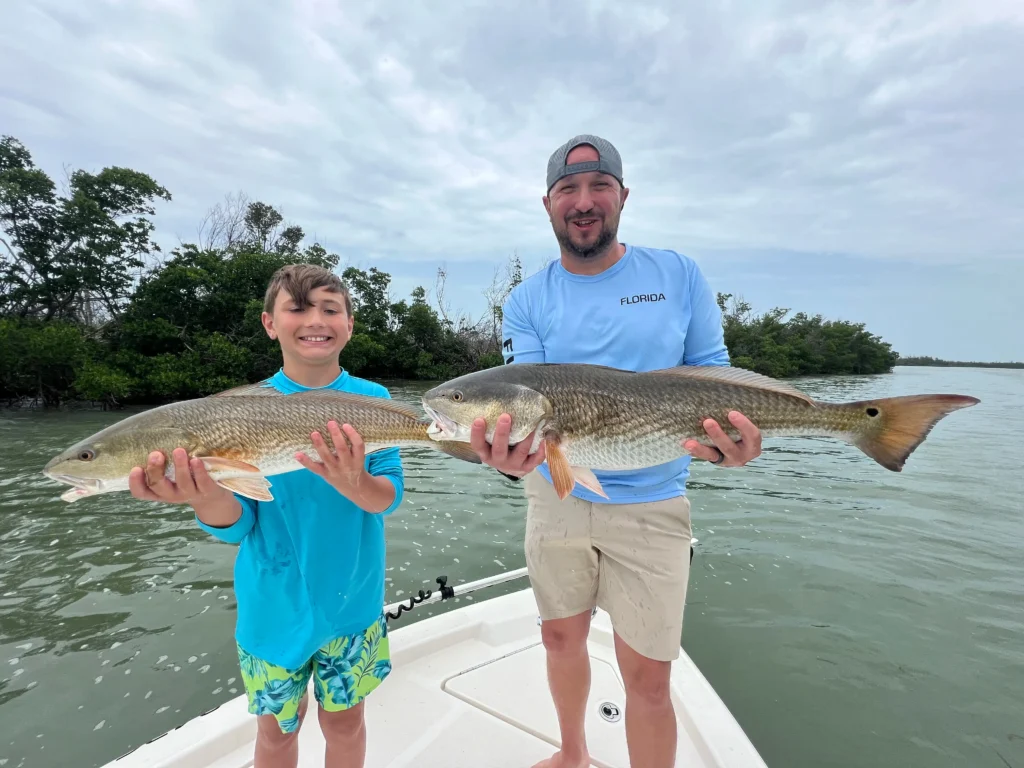
The Spreader Canal and Matlacha Pass deliver larger schooling redfish on shallow flats. Sight casting to tailing reds in 18 inches of water just minutes from your dock is one of the unique experiences Cape Coral offers.
Mangrove Snapper
Mangrove snapper stack around any structure with current and bait nearby. Bridge pilings, residential dock structures, seawall corners, and canal intersections all hold snapper. They bite year-round, fight hard for their size, and are excellent table fare.
Trout (Spotted Seatrout)
The grass flats of Matlacha Pass and Pine Island Sound hold spotted seatrout in large numbers, especially during cooler months. October through April is the peak window for trout in the Cape Coral area.
Juvenile Tarpon
Juvenile tarpon (5 to 60 pounds) inhabit the canal system and the Caloosahatchee River year-round. These smaller fish are acrobatic, aggressive, and a blast on light tackle. Dock-light fishing for tarpon at night in residential canals is a specialty Cape Coral experience.
Black Drum, Sheepshead, and Jacks
The bonus species mix includes black drum (around bridges and dock pilings), sheepshead (winter and early spring on structure), and jack crevalle (year-round, especially during the fall mullet run when massive schools blow through canals chasing bait).

The Five Best Cape Coral Fishing Zones
Beyond the residential canals themselves, five zones consistently produce for Cape Coral charters.
1. South Cape Coral Saltwater Canals
The southern Cape Coral canal system from the river to the Cape Harbour and Tarpon Point areas delivers the best canal fishing in the entire city. Deeper canals, more boat traffic for current, and direct connection to the Caloosahatchee make this zone consistently productive.
Target species: Snook, mangrove snapper, juvenile tarpon, jack crevalle, ladyfish.
Tactics: Live shrimp or pilchards around dock pilings. Topwater plugs at first light along seawalls. Soft plastic jigs worked through canal intersections.
2. Caloosahatchee River and Mouth
The mouth of the Caloosahatchee River where it meets San Carlos Bay creates a transition zone where freshwater meets saltwater. The mixing creates concentrated bait activity and predator stacking. The river itself extends inland with bridges, dock structures, and deep edges that hold fish year-round.
Target species: Snook (year-round, especially around bridges), tarpon (peak spring and summer), redfish, jack crevalle, mangrove snapper.
Tactics: Bridge fishing with live bait. Dock-light snook fishing at night. Tarpon migration following along the river corridor in spring.
3. Matlacha Pass
Matlacha Pass is one of the strongest backcountry fisheries in Southwest Florida. The narrow waterway between Pine Island and the mainland features oyster bars, mangrove edges, grass flats, and strong tidal currents. When Gulf winds blow rough, Matlacha Pass becomes the go-to destination because it remains protected.
Target species: Redfish (year-round, peak fall), snook, spotted seatrout, mangrove snapper, sheepshead (winter), juvenile tarpon.
Tactics: Sight casting on flats during low tide. Live bait around mangrove edges. Soft plastics worked over oyster bars.
4. Pine Island Sound
The expansive bay between Pine Island, Sanibel, and the mainland is one of the premier inshore fisheries on the Gulf coast. Vast grass flats, mangrove shorelines, and protected bays support every major inshore species.
Target species: Redfish, snook, spotted seatrout, snapper, juvenile tarpon, sheepshead.
Tactics: Flats fishing for redfish and trout. Mangrove fishing for snook. Drift fishing the deeper channels for trout.
5. Canal Intersections and Spillways
Experienced Cape Coral guides specifically target canal intersections, lock structures, and spillway areas where current converges. These locations create bait funnels that predators exploit. A canal intersection where three or four canals meet often produces non-stop action because the convergence concentrates baitfish.
Target species: Snook, redfish, mangrove snapper, jack crevalle.
Tactics: Anchor or position the boat upcurrent of the intersection. Cast live bait or jigs into the flow and let them drift through naturally.
Cape Coral Charter Pricing
Cape Coral rates run slightly more competitive than Sanibel and Captiva because the captains have shorter runs to productive water and lower fuel costs. Expect the following price ranges for 2026:
4-hour canal/backwater trip: Starting at $550. The most popular format. Plenty of time to cover multiple canal zones and backwater spots. Great for all skill levels including first-time anglers and families.
6-hour Spreader/Matlacha Pass trip: $600 to $750. Adds time for the run to backcountry zones and more thorough fishing. Available as both freshwater and inshore saltwater options.
Full-day (8 hours): $750 to $950. Best for trophy hunting, multi-zone fishing, and trips that want maximum flexibility on the water.
These rates typically include rods, reels, tackle, live bait, ice, and the captain’s fishing license. For detailed Cape Coral charter pricing and trip lengths, the rate breakdown covers exactly what’s included.
For comparison shoppers, Cape Coral pricing tends to deliver better value per hour than equivalent Sanibel or Fort Myers Beach charters because the captains spend more time fishing and less time running.
Booking Checklist: Questions to Ask Before You Book
Cape Coral guides range from casual cruisers to hardcore tournament pros. Asking the right questions helps you match the captain to your goals.
“Do we fish the Spreader or the river?” The Spreader Canal and Matlacha Pass area is best for redfish on shallow flats. The Caloosahatchee River and bridge structures are better for big tarpon and snook. Different captains specialize in different zones.
“Is your boat a bay boat or a flats skiff?” If you want to access the shallow Matlacha Pass mangroves, you need a shallow-draft skiff (under 12 inches of draft). If you want a smoother ride with more seating for multiple anglers, choose a bay boat. Confirm what the captain runs.
“Do you provide live bait?” Matching the local forage with live shrimp, pilchards, or pinfish is usually more productive than artificial lures, especially for beginners. Quality charters throw cast nets at first light to provide fresh bait.
“Can you pick us up at our dock?” If you are renting a waterfront home with canal access, dockside pickup eliminates the drive to a marina. Most captains accommodate this if your dock has sufficient depth and access.
“What’s your weather and cancellation policy?” Cape Coral canals fish well in nearly all weather, but trips that include open water sections may cancel for high winds. Know the policy before you book.
“Is the trip catch-and-release or are we keeping fish?” Some captains specialize in pure sport fishing while others prioritize bringing home dinner. Communicate your goals.
“What species are biting right now?” Recent activity matters. A captain who is honest about what’s hot (and what’s slow) builds trust. Vague or hype-heavy answers are red flags.
For a deeper look at Cape Coral inshore fishing options and how they compare to other Fort Myers area trip styles, the inshore charters overview covers boat types, target species, and trip formats.
The Cape Coral Night Shift
One of the best-kept secrets in Cape Coral is the night canal charter. After sunset, captains run the canal system targeting snook around residential dock lights.
The setup is simple. Many waterfront homeowners install green underwater lights below their docks. These lights attract baitfish, which draws snook in close to feed. From a boat, you can see the snook hovering in the green light beam before you cast. The fishing is visual, the strikes are explosive, and the entire experience happens just feet from your boat.
Night trips typically run 3 to 4 hours, departing around 8:00 or 9:00 PM. The water is cooler, the boat traffic is minimal, and the snook are at their most aggressive. For visitors during summer when daytime temperatures climb into the 90s, night canal fishing is one of the best options for productive action.
Live shrimp and pilchards work well, but artificial baits really shine at night. Soft plastics on jig heads and small swimbaits drawn slowly through the light beam trigger reaction strikes from snook that have positioned themselves to ambush bait.
Tide Strategy in the Canal System
Cape Coral’s interconnected canals respond to tide just like the open bays. Moving water concentrates bait at canal mouths, intersections, and around structure. Slack tide slows the bite considerably.
Outgoing tides tend to produce the best canal fishing because the water flushes bait out of the residential canals into the river or open bay, and predators stack at the choke points to feed. Incoming tides push bait into the canals, which can fire up the bite around dock pilings and seawalls.
A good captain plans the trip around the tide window. If the strongest current falls between 2:00 and 5:00 PM, the trip departs at 1:00 PM. If the morning tide is the best window, expect a sunrise departure. The clock matters less than the tide.
The Spreader Canal and Matlacha Pass areas respond especially strongly to tide. These zones can shut off entirely during slack tide and turn back on dramatically when the current resumes.
Combining Cape Coral Fishing With Other Activities
Many Cape Coral charters offer combination trips that pair fishing with other on-water experiences.
Fishing and shelling: Run from Cape Coral across to Cayo Costa or North Captiva for some of the best shelling beaches in Florida. Catch fish in the morning, beach the boat for an hour of shelling, then fish a different zone on the return trip.
Fishing and dolphin watching: The waters around Cape Coral and Pine Island Sound have a healthy resident dolphin population. Most fishing trips include dolphin sightings as a bonus. Some captains offer dedicated combination trips.
Fishing and eco-tours: Banana Bay Tour Company and similar operations combine eco-style backwater cruising with fishing access around mangroves and estuaries. These work well for mixed-interest groups where some members want fishing while others prefer wildlife observation.
Sunset cruises with fishing: Late afternoon departures can fish the prime evening tide window and finish with a sunset cruise back to the dock. The combination of fishing and Florida’s legendary Gulf coast sunsets is hard to beat.
For visitors wanting to compare Cape Coral options against the broader fishing charters near Fort Myers scene, the inshore comparison breakdown helps you decide between canal-focused trips and other charter formats.
Cape Coral Weather and Conditions
Cape Coral’s protected geography makes it one of the most consistent fishing destinations in Southwest Florida regardless of weather.
Wind protection: When Gulf winds blow 15+ knots and Sanibel, Captiva, and offshore trips become uncomfortable or unsafe, Cape Coral canal trips run normally. The canals provide complete wind protection. Matlacha Pass and Pine Island Sound also offer significant shelter from most wind directions.
Summer thunderstorms: Afternoon storms from June through September are predictable. Most Cape Coral captains run morning trips departing at sunrise to beat the weather. Storms typically build between 2:00 and 5:00 PM, so a 6:00 AM to noon trip avoids them entirely.
Hurricane season: June through November carries tropical weather risk. Reputable captains monitor forecasts and make smart calls. Confirm cancellation policies before booking during this window.
Winter cold fronts: December through February can bring strong cold fronts with winds and temperature drops. Canal fishing remains productive even during fronts because the protected water and concentrated fish populations create reliable bites. Canals actually fish better during cold fronts than open water.
For trips that want flexibility between canal fishing and nearshore from Cape Coral, captains can adjust the itinerary based on actual conditions on the day of the trip.
What to Bring on Your Cape Coral Charter
Sunscreen. Reef-safe SPF 30 or higher, applied before the trip and reapplied during. The Florida sun is intense even on cloudy days.
Polarized sunglasses. Amber or copper lenses cut surface glare and help spot fish in the water. This is the second most important piece of gear after the rod.
Hat with a brim. Sun protection for your face, ears, and neck.
Long-sleeve SPF shirt. More effective than sunscreen for preventing burns over a 4-hour trip.
Closed-toe non-marking shoes. Boat decks are slippery when wet. Most captains require non-marking soles.
Food and drinks. Most charters provide ice but not food. Pack snacks, sandwiches, and water in a soft cooler.
Camera or smartphone. For catch photos. A floating phone strap or waterproof case is smart insurance.
Cooler with ice (optional). If you intend to keep fish, bring a hard cooler. Many captains will fillet your catch at the dock.
Cash for tip. Standard tipping for a good charter is 15 to 20 percent of trip cost.
Frequently Asked Questions
What can you catch in Cape Coral canals?
The Cape Coral canal system produces snook, redfish, mangrove snapper, juvenile tarpon, jack crevalle, ladyfish, sheepshead (winter), black drum, and seasonal trout. Larger fish (30+ inch snook, slot redfish) are caught regularly directly from the canals.
Are Cape Coral fishing charters good for beginners?
Yes. Canal fishing is one of the most beginner-friendly formats available. The water is calm, the fishing is consistent, the trips are short, and the action is steady. Families with young children consistently rate Cape Coral canal trips as their best Florida fishing experience.
What’s the difference between canal fishing and backwater fishing?
Canal fishing happens in the residential canal system (urban-style fishing under docks and around seawalls). Backwater fishing happens in wild areas like Matlacha Pass, the Spreader Canal, and Pine Island Sound (mangrove tunnels, oyster bars, grass flats). Many trips combine both.
Do I need a fishing license for Cape Coral charters?
If you fish with a licensed charter captain, the captain’s license covers everyone on the boat. Independent fishing requires a Florida saltwater fishing license. Snook permits are required separately if you intend to harvest a snook during open season.
When is the best time to fish in Cape Coral? Y
Year-round fishing produces results, but spring (March through May) and fall (September through November) deliver the best conditions and most active species. Summer canal fishing remains strong, especially at dawn and night. Winter offers excellent sheepshead and trout action.
Can captains pick us up at our rental house?
Yes, most Cape Coral charters offer dockside pickups from waterfront vacation rentals if the dock has sufficient depth and access. Confirm with the captain when booking and provide your address for verification.
How much does a Cape Coral fishing charter cost?
Half-day (4 hour) trips typically run $400 to $600. Three-quarter day (6 hour) trips run $650 to $900. Full-day (8 hour) trips run $700 to $1,200. Two-hour intro trips for kids start around $250.
Are there hidden fees on Cape Coral charters?
Quality charters quote all-inclusive rates that cover rods, tackle, live bait, ice, and fishing licenses. Snook permits for harvest, food and drinks, and captain tips are typically separate. Confirm exactly what’s included before booking.
Cape Coral fishing delivers something most Gulf coast destinations cannot: productive water from the moment you leave the dock, complete wind protection when other options shut down, and access to both urban canal fishing and authentic backcountry wilderness on the same trip. Pick the right captain for your style, fish the tide, and the canals will surprise you. The first 30-inch snook caught from a residential dock changes everyone’s understanding of what Cape Coral fishing is really about.


