Captiva Island sits at the top of the Sanibel-Captiva barrier island chain, separated from Sanibel by Blind Pass to the south and from North Captiva by Redfish Pass to the north. That position, surrounded by two of the most productive passes in Southwest Florida, defines what Captiva fishing is all about.
Where Fort Myers fishing focuses on volume and variety, and Cape Coral fishing focuses on protected canal access, Captiva is about exclusivity and the passes. The island is small, remote, and accessible only by a single bridge from Sanibel. The boat traffic is lighter than the mainland zones. The fishing pressure is lower. The average fish size is bigger.
Booking a private Captiva fishing charter with a local captain delivers something specific: a guide who has spent years learning the complex tidal flushes, the seasonal patterns of fish movement, the exact structure that holds trophy snook, and the back-pocket spots that the casual visitor never finds. You are not just renting a boat. You are buying access to local knowledge that took decades to accumulate. Operations like Sea n Red Charters run private trips across Captiva, Sanibel, and the surrounding waters with that exact level of local depth.
This guide breaks down everything that makes Captiva fishing charters different from the rest of Southwest Florida, the top spots local captains consistently target, the trip styles available, and how to book the right private experience for your group.
Why Captiva Fishing Stands Apart
The geography tells the story. Captiva is a thin barrier island roughly 5 miles long, flanked by the Gulf of Mexico to the west and Pine Island Sound to the east. The two passes that bookend the island act as massive funnels for tidal flow, bait migration, and predator movement.
Redfish Pass (between Captiva and North Captiva) is the deep-water powerhouse. Strong currents, rocky ledges, and depth changes from 5 to 30+ feet create one of the best big-fish corridors in Southwest Florida. Trophy snook, gag grouper, sharks, and migrating tarpon all use Redfish Pass as a travel route.
Blind Pass (between Captiva and Sanibel) is the narrow choke point that concentrates bait and predators on every tide change. The bridge structure adds ambush points. Snook, redfish, mangrove snapper, and seasonal tarpon all stack here.
Between the passes, Captiva’s bay-side mangroves and shallow flats provide some of the most productive backcountry fishing in the state, with significantly less pressure than the equivalent zones on Sanibel or in Pine Island Sound proper.
The remoteness factor matters too. Most casual tourists never make it past Sanibel, which means Captiva and the waters north toward Cayo Costa State Park see far fewer recreational boats than the mainland-adjacent zones. Pristine fishing in less-pressured water tends to produce bigger fish and more cooperative bites.

The Captiva Local Captain Advantage
Generic charters can take you fishing. Local captains with deep Captiva experience put you on fish that other anglers cannot find.
The complex tidal flushing pattern around Captiva is the single biggest reason local knowledge matters. The water that comes through Redfish Pass on an incoming tide takes a different path through Pine Island Sound than the water flowing in through Boca Grande Pass to the north or San Carlos Bay to the south. These flows interact, create eddies, and concentrate bait in specific locations that change throughout the tide cycle.
A captain who has fished Captiva for 20 years knows exactly where bait will stack up at hour two of an outgoing tide on a full moon in May. A captain new to the area knows the waypoints they marked from Google Earth. The difference shows up in the fish count.
Local captains also know the wind protection plays. Captiva is exposed to the Gulf, which means west and northwest winds make the Gulf side rough. A local captain reads the forecast and knows exactly which mangrove cuts and lee shorelines will fish well in those conditions, while a less experienced guide might spend half the trip running from spot to spot looking for sheltered water.
Bait quality is another local advantage. The best Captiva captains throw cast nets at first light to load the boat with fresh pilchards or threadfin herring before clients arrive. Fresh, lively bait outfishes frozen or yesterday’s bait by a wide margin, especially for snook and tarpon.
Top Captiva Fishing Spots Local Captains Rotate Through
A typical day on a private Captiva charter rotates through three or four of these zones based on tide, wind, season, and target species.
Redfish Pass: The Trophy Corridor
Redfish Pass between Captiva and North Captiva is a deep-water channel that acts as a highway for predators. Local captains use heavy current-driven techniques here to pull monster snook and gag grouper from the rocky ledges. During the spring tarpon migration (April through July), the pass becomes a primary corridor for fish moving north along the coast.
Target species: Trophy snook (35+ inches), gag grouper, mangrove snapper, sharks, tarpon (May through July), cobia.
Tactics: Live bait drifted through current seams. Bottom fishing with live pinfish or cut bait for grouper. Heavier tackle than backwater zones (30 to 50 lb braid, 50 to 80 lb leader). Fishing the slack tide just before the change for big snook holding tight to ledges.
This is not gentle backwater fishing. Redfish Pass demands respect. The currents are strong, the wind exposure is real, and the fish hit hard. It is also where the trip-of-a-lifetime fish often come from.
Buck Key Backcountry
Located just behind Captiva on the bay side, Buck Key and the surrounding waters form a maze of mangrove tunnels, hidden lagoons, and shallow flats. This is some of the quietest, least-pressured fishing in the entire region.
Target species: Massive over-slot redfish, snook, spotted seatrout, mangrove snapper, juvenile tarpon.
Tactics: Sight casting on shallow flats during low tide. Live shrimp under popping corks for trout. Topwater plugs for snook around mangrove edges. Quiet poling rather than trolling motor to avoid spooking fish.
Buck Key is where local captains take serious anglers who want to chase trophy redfish in pristine conditions. The tunnels and mangrove cuts hold fish that have not seen pressure in days or weeks.
Blind Pass and the Sanibel-Captiva Cut
The narrow pass between Captiva and Sanibel concentrates bait and current in a way that produces consistent action year-round. Bridge structure, current seams, and a deeper channel create reliable ambush zones for predators.
Target species: Snook, redfish, spotted seatrout, mangrove snapper, sheepshead (winter), Spanish mackerel (spring and fall), tarpon (May and June).
Tactics: Live bait drifted through current seams. Bridge fishing for snook at night. Sight casting to mackerel schools when bait is visible on the surface. Outgoing tide produces some of the best Blind Pass action.
For a deeper look at how this pass fits into the broader Sanibel guide, the comprehensive Sanibel breakdown covers all the connecting fisheries.
North Captiva Beaches and Cayo Costa
North Captiva and Cayo Costa State Park lie just north of Captiva, accessible only by boat. These remote barrier islands offer some of the most pristine beaches and fishing in Florida. Cayo Costa specifically has no road access, no development, and minimal human presence.
Target species: Snook (cruising the beaches), tarpon (May through July), redfish, jack crevalle, Spanish mackerel.
Tactics: Beach sight-casting for snook and tarpon. Polling parallel to the shoreline (using a long pole to move silently) to spot fish in the clear surf. Fly fishing is excellent here on calm days. Live bait fished along the wave break also produces.
Local captains often combine fishing with shelling stops on Cayo Costa. The remote beaches offer some of the best shelling in Florida, and a private charter can drop you on a beach for an hour while the captain monitors the boat.
Tarpon-Focused Pass Runs (Seasonal)
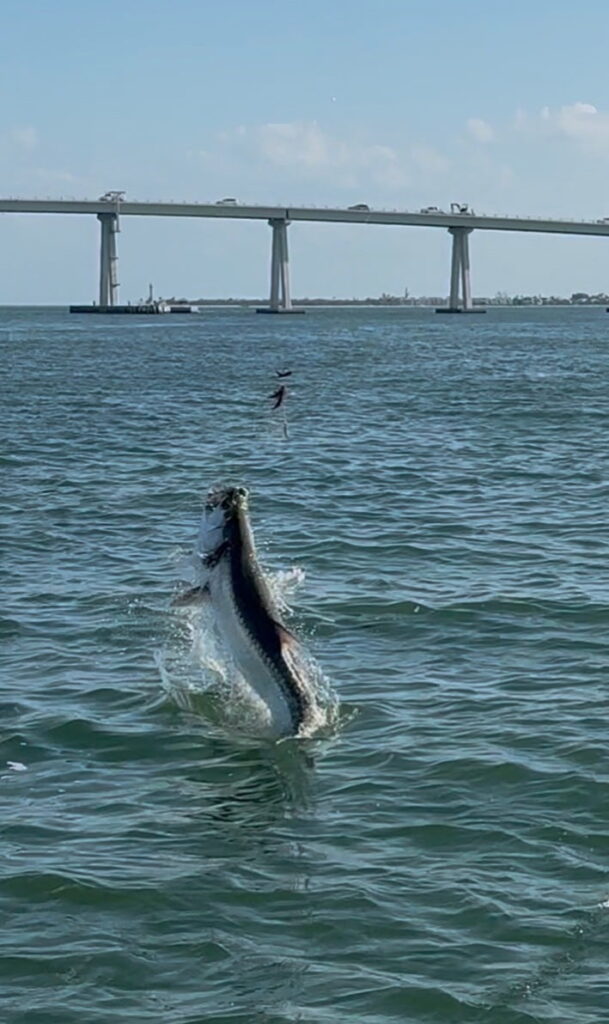
During May and June, many Captiva captains shift focus to tarpon. The local passes (Redfish Pass and Blind Pass) hold migrating fish, and the short run north to Boca Grande Pass (the world-famous “Tarpon Capital”) opens up access to massive concentrations of fish.
For complete details on the tarpon at Captiva and broader Fort Myers tarpon fishery, the dedicated tarpon guide covers the seasonal patterns, hotspots, tackle, and techniques.
Captiva Charter Trip Styles
The beauty of a private Captiva charter is that the itinerary belongs to you. Most local captains offer several formats:
The Serious Angler Trip (6 to 8 Hours)
For dedicated anglers focused on big fish, this format runs 6 to 8 hours and concentrates on trophy water like Redfish Pass and Boca Grande. Heavy tackle, large live baits (ladyfish, mullet, or threadfin herring), and patient fishing for the largest snook, sharks, or tarpon the region produces.
Expect physically demanding fishing. Strong currents, heavier rods, and longer fights with bigger fish. This is not the trip for a casual family afternoon.
Best for: Experienced anglers, trophy hunters, serious tarpon trips during peak season.
The Family “Cast and Shell” Combo
A popular Captiva hybrid that combines 3 to 4 hours of easier fishing for spotted seatrout, mangrove snapper, and small snook with a beach stop on Cayo Costa or North Captiva for world-class shelling. This format works perfectly for groups with mixed interests where some members want to fish hard and others want a more relaxed experience.
Best for: Families, groups with non-anglers, anyone who wants fishing plus another Florida experience.
The Sight-Fishing Specialty Trip
Captiva’s clear water makes it one of the best sight-fishing destinations in the state. Captains pole the flats and beach edges quietly, looking for tailing redfish, cruising snook, or rolling tarpon. The angler casts to visible fish.
This format rewards good casters and patience. Fly anglers love it. Light-tackle spinning anglers can excel with practice. Beginners can do it too, but expect a coaching-heavy experience.
Best for: Experienced casters, fly fishermen, anglers who appreciate the technical and visual aspects of fishing.
The Tarpon Hunt (May and June)
The seasonal specialty trip that draws anglers to Captiva from around the world. Private guides position you in the passes or along the beaches to jump 100+ pound silver kings. Trips run 6 to 8 hours, sometimes longer if conditions stay productive.
Tarpon fishing requires patience, physical fitness for long fights, and strict catch-and-release handling. Local captains know exactly when and where the fish will roll on any given tide.
Best for: Anglers chasing the bucket-list tarpon experience.
The Eco-Combo Trip
Many family groups want fishing combined with dolphin watching, manatee sightings, sunset cruising, or wildlife observation. Captiva captains accommodate these requests easily because the surrounding waters are alive with marine life.
Best for: Mixed-interest groups, photographers, families with younger children.
Top Captiva Departure Points
Most private Captiva charters depart from one of two historic locations on the island.
Jensen’s Twin Palms Marina
Located at 15107 Captiva Drive in the heart of Captiva Village, Jensen’s is the iconic Old Florida marina that has served the island fishing community for decades. The marina hosts a high concentration of private guide operations and provides quick access to all the major Captiva fishing zones.
Advantages: Historic atmosphere, full-service marina, fresh bait often available, easy access to Redfish Pass, Buck Key, and Cayo Costa. Walking distance to Captiva restaurants for post-trip meals.
Best for: Trips focused on Redfish Pass, North Captiva, and Cayo Costa.
McCarthy’s Marina
Located at 11401 Andy Rosse Lane on Captiva, McCarthy’s is another historic departure point that serves as the home base for several family-friendly operations and combination trip captains.
Advantages: Quick access to Captiva-area waters, slightly more accessible than Jensen’s depending on traffic, hosts captains specializing in mixed fishing-and-shelling trips.
Best for: Family combination trips, shelling-focused outings, charters running to Cayo Costa.
‘Tween Waters Resort Marina
The ‘Tween Waters Island Resort and Spa hosts a marina that serves several premium charter operations. The location splits the difference between Jensen’s (north Captiva) and McCarthy’s (mid-island), giving captains flexibility on direction.
Advantages: Resort amenities, often integrated with hotel guest services, premium boat options.
Best for: Resort guests, luxury-focused trips, charters running both north and south from Captiva.
Dockside Pickups
Many Captiva captains will pick up clients at private docks if you are renting a waterfront home with suitable access. This eliminates the drive to a marina and adds convenience for groups staying in residential rentals.
Captiva Charter Pricing for 2026
Captiva charter rates run slightly higher than Cape Coral and comparable to Sanibel, reflecting the premium location and the experience level of the captains who base out of the island.
Half-day (4 hours): $500 to $750. Best for families, beginners, and short-window inshore fishing.
3/4-day (6 hours): $700 to $950. The sweet spot for serious fishing and combination trips.
Full-day (8 hours): $900 to $1,250. Best for trophy hunting, dedicated tarpon trips, and trips combining multiple zones.
Tarpon trips during peak season (May through June): $1,000 to $1,400 for 6 to 8 hours. Premium pricing reflects high demand and specialized gear.
Tween Waters or Cayo Costa combo trips: Additional cost for fuel and longer runs, typically $50 to $150 above standard rates.
For full pricing details across all trip lengths, the Captiva charter pricing breakdown covers exactly what’s included.
Quality charters include rods, reels, tackle, live bait, ice, and the captain’s fishing license in the trip price. Snook permits, food, drinks, and captain tips are typically separate. The standard tip for a good Captiva charter is 15 to 20 percent of trip cost.
What’s Biting at Captiva by Season
Species availability follows the broader Southwest Florida pattern, with some Captiva-specific notes.
Spring (March through May): Snook fire up across the passes and mangrove shorelines. Spanish mackerel arrive in massive schools. Cobia migrate through nearshore waters. Tarpon begin staging by mid-April with serious numbers arriving in May.
Summer (June through August): Tarpon at absolute peak in Redfish Pass and along the beaches. Snook fishing remains excellent (catch and release during the harvest closure). Mangrove snapper stack on nearshore structure. Sharks become more active.
Fall (September through November): Redfish school in massive numbers on the bay-side flats. Snook fishing roars back to life. King mackerel migrate through the area. The fall mullet run brings explosive surface action along the beaches.
Winter (December through February): Sheepshead, black drum, and pompano dominate around bridge structures and beaches. Spotted seatrout fishing peaks on grass flats. Cooler weather brings comfortable conditions for full-day trips.
For visitors weighing trip timing against fishing quality, the broader Fort Myers area calendar covers month-by-month patterns that apply to Captiva as well.
Private Trip vs Shared Charter: Why Private Wins
Most Captiva charters are private trips, meaning your group books the entire boat and captain. A handful of operations offer shared trips where strangers split the cost.
For Captiva specifically, private trips deliver a noticeably better experience for several reasons.
Customization. A private trip is built around your group’s preferences: target species, trip length, departure time, fishing zones, and combination activities. Shared trips follow the captain’s standard itinerary regardless of individual interests.
Pacing. Private trips can adapt to the group’s energy level. Need to take a break? Want to push through a slow stretch? Skip a planned spot to fish a hot one? All easy on a private trip. Shared trips run on a fixed schedule.
Casting room. Private trips on Captiva typically run 2 to 4 anglers maximum on shallow-draft boats. The room to cast without tangled lines makes the fishing more productive and more enjoyable.
Coaching attention. With only your group on the boat, the captain can focus on coaching your specific anglers. Beginners get more attention. Experienced anglers can push for advanced techniques. Everyone benefits.
Family flexibility. With kids, the ability to adapt to attention spans, snack breaks, and bathroom schedules matters. A private trip handles all of this without disrupting other anglers.
For a deeper look at how Captiva fits into the broader nearby Sanibel charters ecosystem and how the two island fisheries compare, the Sanibel charters overview covers the connecting waters.
Pre-Booking Checklist for Captiva Charters
Asking the right questions before you book separates good charter experiences from frustrating ones.
“Do you fish Redfish Pass and Cayo Costa, or do you stay closer in?”
Different captains have different specialty zones. If you specifically want to fish a specific area, confirm the captain runs there.
“Do you throw a cast net for fresh bait in the morning?”
Fresh, locally-caught bait outfishes frozen or stored bait by a significant margin. Quality captains take the time to load fresh pilchards or threadfins each morning.
“What’s the weather backup plan?”
Captiva is exposed to the Gulf. West and northwest winds can make the Gulf side rough. Ask the captain how they adjust when wind kicks up. Local captains will know exactly which mangrove cuts and lee shorelines stay fishable in any wind direction.
“What’s your group size limit?”
Most Captiva private boats are designed for 2 to 4 anglers comfortably. Some accommodate up to 6. Confirm the boat fits your group.
“Are kids welcome?”
Most Captiva captains love working with families and younger anglers, but some specialize in serious adult anglers. Be honest about your group makeup.
“What’s your cancellation policy?”
Tropical weather, cold fronts, or high winds can cancel trips. Know the refund and rescheduling terms before you put down a deposit.
“Do we keep fish or release everything?”
Captiva captains tend to be conservation-minded, but harvest within regulations is acceptable for most species (snook within season, sheepshead, snapper, etc.). Communicate your goals.
For private trips planning to combine fishing with island exploration, Pine Island fishing overlap is also worth understanding. The waters connect, and good captains running fishing charters near Fort Myers often move between Captiva and Pine Island Sound based on conditions.

Captiva-Specific Pro Tips
A few details separate experienced Captiva visitors from first-timers.
Bait availability matters. Local Captiva captains take pride in their bait. Ask if they “throw the net” for fresh pilchards or threadfins each morning. Captiva fishing is overwhelmingly a live-bait fishery, and bait quality directly impacts your catch rate.
Use the wind to your advantage. When the wind is blowing from the west or northwest, the Gulf side gets rough but Pine Island Sound stays calm. A local captain will know exactly how to adapt: fish the lee side of the islands, work mangrove tunnels, target structure that’s protected from the wind.
Cayo Costa is worth the run. If you have a full-day trip and conditions allow, ask about heading north to Cayo Costa. The state park island has zero road access, untouched beaches, and some of the most pristine fishing left in Florida. The shelling is also legendary.
The Sanibel toll only applies if you drive to the island. Boats don’t pay the toll. If your charter departs from a mainland marina and meets you at the docks (or picks you up at your Sanibel rental dock), you may avoid the $6 causeway toll entirely.
Plan around the tide, not the clock. A captain who recommends a 5:30 AM departure or a 1:00 PM start is doing it because the bite window falls during that period. Trust the recommendation. The clock means nothing if the tide is wrong.
Frequently Asked Questions
How much do Captiva fishing charters cost?
Half-day (4 hour) trips typically run $500 to $750. Three-quarter day (6 hour) trips run $700 to $950. Full-day (8 hour) trips run $900 to $1,250. Tarpon trips during peak season are typically $1,000 to $1,400.
What can you catch on a Captiva charter?
Snook, redfish, spotted seatrout, tarpon (seasonal), mangrove snapper, sheepshead (winter), Spanish mackerel, cobia, sharks, jack crevalle, and seasonal species like pompano and tripletail. The variety depends on season and where the captain fishes.
Where do Captiva charters depart from?
The two primary departure points are Jensen’s Twin Palms Marina (15107 Captiva Drive) and McCarthy’s Marina (11401 Andy Rosse Lane). Some charters depart from ‘Tween Waters Resort Marina or offer dockside pickups at private rentals.
Do I need a fishing license for a Captiva charter?
No. The captain’s USCG license and Florida fishing license cover all clients on for-hire trips. If you intend to harvest a snook during open season, a separate snook permit may be required.
Can children fish on Captiva charters?
Yes. Most Captiva captains welcome families and have experience working with younger anglers. Specify your group makeup (adults and kids’ ages) when booking, and the captain will tailor the trip accordingly.
Is Captiva fishing better than Sanibel fishing?
The two are complementary rather than competitive. Captiva offers more remote, less-pressured water and direct access to Redfish Pass and Cayo Costa. Sanibel offers more variety in close proximity and easier mainland access. Many of the best captains run both island systems.
What’s the best time of year for a Captiva charter?
Spring (March through May) delivers the best overall variety. Late April through June is peak tarpon season. Fall (September through November) brings excellent redfish and king mackerel action. Winter offers comfortable weather and strong sheepshead fishing.
Can captains pick us up at our Captiva rental?
Most captains will pick up at private docks if the dock has sufficient depth and access. Confirm with the captain when booking and provide your rental address.
Captiva fishing rewards anglers who understand what makes the island different. The passes deliver trophy-class fish for those willing to chase them. The backcountry around Buck Key produces redfish and snook in pristine conditions. The remote beaches of North Captiva and Cayo Costa offer some of the most authentic Florida fishing experiences left in the state. Book a private trip with a local captain, fish the tide, and the silver kings, the over-slot reds, and the snook of a lifetime are all within reach.