
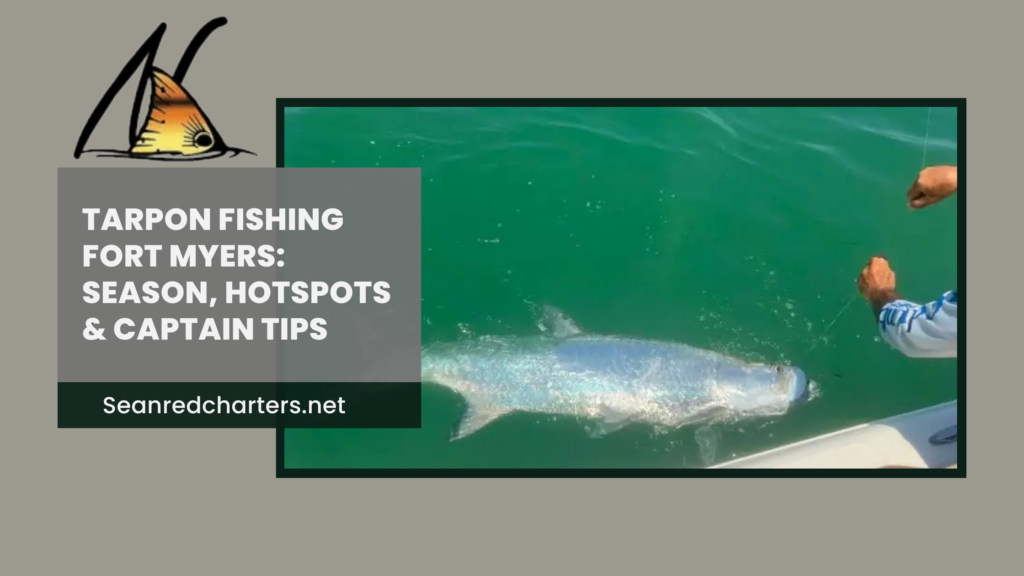
Tarpon season in Florida draws anglers from every corner of the globe, and Fort Myers sits right in the middle of one of the greatest Silver King migrations on the planet. Every spring, thousands of Atlantic tarpon push through Southwest Florida’s warm Gulf passes, beaches, and estuaries on their way north, creating a fishery that rivals anywhere in the world for sheer numbers and trophy potential.
Fish averaging 80 to 150 pounds are common. True giants exceeding 200 pounds show up every season, especially around Boca Grande Pass during the peak weeks of May and June. The explosive surface strikes, the aerial acrobatics four feet above the waterline, and the drag-screaming runs that last 30 minutes or more make tarpon the most thrilling gamefish in Southwest Florida waters.
This guide breaks down everything you need to plan a successful tarpon trip in Fort Myers: the seasonal timeline, the exact hotspots that produce year after year, the tackle and bait that local captains rely on, and the tide and moon strategies that put you in position to hook the fish of a lifetime.
Understanding Tarpon: What Makes the Silver King Special

Before you can consistently catch tarpon, it helps to understand what makes them different from every other fish in these waters.
Tarpon (Megalops atlanticus) are prehistoric fish that have remained virtually unchanged for over 100 million years. They have a unique swim bladder that functions like a primitive lung, allowing them to gulp air at the surface. That adaptation is what creates the distinctive “rolling” behavior anglers watch for when scanning flats and passes. When you see a tarpon roll, you know exactly where that fish is and which direction it’s moving.
Adult tarpon in Fort Myers waters typically range from 80 to 150 pounds, with a body built for power. They have massive bucket-shaped mouths lined with sandpaper-rough plates instead of teeth. Those mouths are hard and bony, which is exactly why hook sets are difficult and why circle hooks have become the standard. Their scales are the size of silver dollars, and when a hooked tarpon launches three or four feet out of the water with the morning sun hitting those scales, you understand why they earned the name Silver King.
Tarpon are almost exclusively catch-and-release in Florida. They are not good table fare, and the fishery depends on healthy release practices. Any tarpon over 40 inches must remain in the water at all times. This is not just good practice; it is Florida law.
Tarpon Season in Fort Myers: Month-by-Month Breakdown
The tarpon season Florida anglers wait for all year follows a predictable pattern tied to water temperature. When coastal waters consistently hit 75°F, the migration switches on.
March: Early Arrivals and Resident Fish
The first signs of tarpon activity appear in late March during warmer years. Resident tarpon that wintered in deeper channels and the Caloosahatchee River begin feeding more aggressively as water temperatures climb into the low 70s. These early-season fish are hungry, less pressured, and often more willing to eat than the heavily targeted fish of peak season.
Look for rolling tarpon around bridges, residential canals, and the deeper holes of Pine Island Sound. The action is not wide open yet, but the fish that are here tend to be cooperative. This is an excellent window for anglers who want quality shots without the boat traffic that comes later.
April: The Season Ignites
April is when the tarpon fishing Fort Myers is famous for truly begins. Water temperatures push past that critical 75°F threshold, and the first major wave of migratory fish floods into local passes and staging areas. Schools begin appearing along the beaches between Sanibel and Fort Myers Beach, in San Carlos Bay, and around the deeper channels of Pine Island Sound.
Pre-spawn tarpon in April are aggressive feeders. They hit live crabs, threadfin herring, and cut mullet with genuine violence. April also offers a significant advantage over peak months: fewer boats. The charter calendar has not yet reached full capacity, which means less competition on the water and more relaxed fishing conditions.
For anglers trying to decide the best month to fish in Fort Myers, April balances tarpon opportunity with overall variety better than any other month on the calendar.
May and June: The Absolute Peak
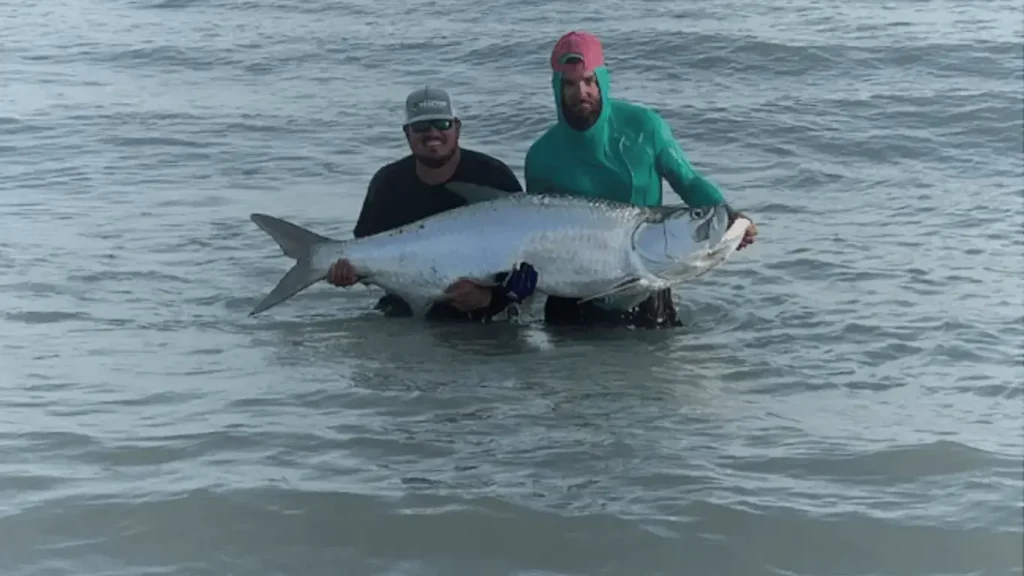
This is it. May and June represent the pinnacle of tarpon fishing in Southwest Florida. Massive schools, sometimes numbering in the hundreds, stack up in Boca Grande Pass, along Sanibel and Captiva beaches, and throughout the passes and bridge structures of the greater Fort Myers area.
The numbers during peak season are staggering. On a good tide during a new or full moon week in late May, experienced captains can put their anglers on double-digit shots per trip. Fish are rolling everywhere, the passes are alive with activity, and the energy on the water is electric.
This is also the busiest window for charter bookings. Popular captains at operations like Sea n Red Charters fill their calendars weeks in advance during May and June. If you are planning a peak-season trip, book your guide 6 to 8 weeks ahead to secure your dates.
July and August: The Summer Extension
Tarpon fishing remains productive through July and into early August, though the character of the fishing changes. The main migratory push begins moving north, but substantial numbers of fish linger in local waters, especially around passes, bridge structures, and the deeper holes of Pine Island Sound and Charlotte Harbor.
Summer heat shifts the best bite windows to early morning and late evening. Dawn patrols departing before sunrise are standard operating procedure. Night fishing under lighted bridges and docks also becomes extremely productive for tarpon during the hot months.
Afternoon thunderstorms are a daily reality from June through August. They do not ruin the fishing, but they force smart scheduling. Most best fishing charters in Fort Myers run early-morning departures during summer specifically to beat the weather and capitalize on the dawn feed.
September through February: Off-Peak but Not Dead
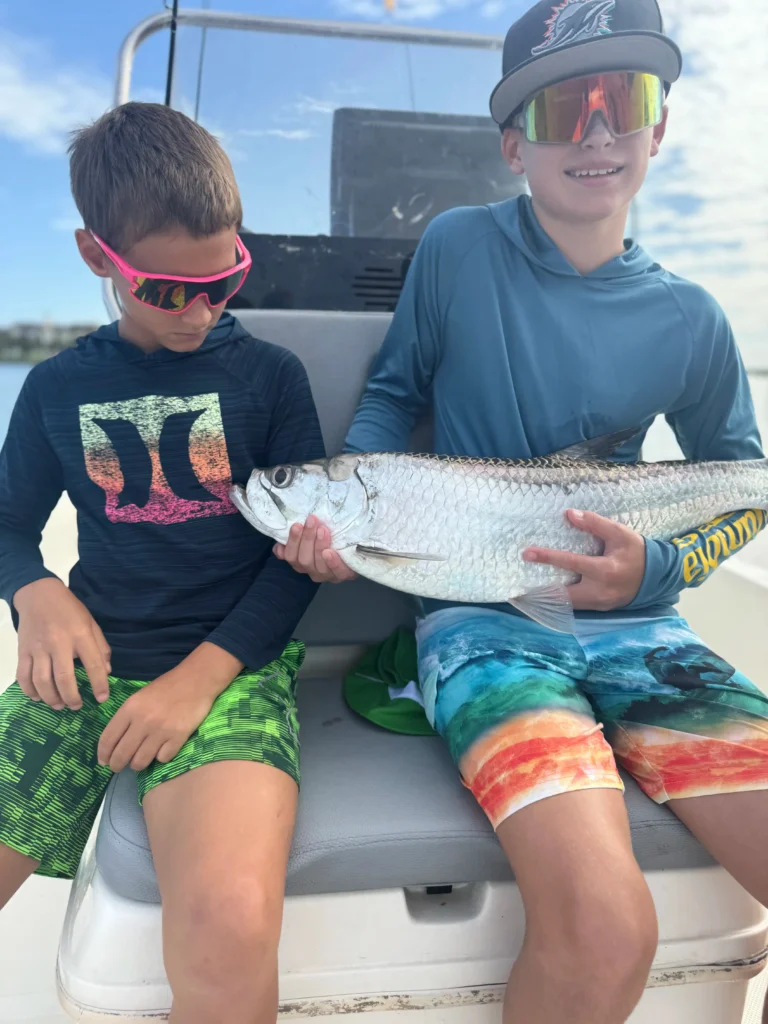
The main migration clears Fort Myers by mid-September, but tarpon do not completely disappear. Juvenile tarpon (20 to 60 pounds) remain in back bays, residential canals, and the Caloosahatchee River year-round. These smaller fish are acrobatic, aggressive, and a blast on light tackle.
Larger resident tarpon can also be found during the cooler months, though they become harder to locate and less willing to feed. They tend to hold in deeper channels and near warm-water discharges. Targeting them requires patience, local knowledge, and a willingness to spend time searching before fishing.
Fall months (September through November) occasionally produce surprise encounters with late-migrating adults, especially around passes and nearshore structure where bait concentrates during the fall mullet run.

Top Tarpon Hotspots Near Fort Myers
Knowing where tarpon concentrate is half the battle. Fort Myers offers a diverse range of environments, from deep-water passes with screaming current to shallow grass flats where you can sight-cast to rolling fish in three feet of water.
Boca Grande Pass: The Tarpon Capital of the World
Boca Grande Pass, located between Gasparilla Island and Cayo Costa just north of Captiva, is the single most famous tarpon fishing location on the planet. This deep natural pass acts as a funnel for the annual migration, concentrating massive numbers of fish in a relatively small area during May and June.
The pass drops to over 70 feet in spots, with strong tidal currents that push bait through the channel. Tarpon stack up in these current seams, feeding on crabs, shrimp, and baitfish swept through by the tide. Drift fishing with live pass crabs or large live baits is the dominant technique.
A word of caution: Boca Grande during peak season gets crowded. Hundreds of boats can pack the pass on a good tide during a full moon weekend. Boat etiquette matters enormously here. Maintain proper drift lanes, avoid cutting off other boats, and never cast over another angler’s line. The FWC has specific regulations for Boca Grande Pass during April, May, and June, including a limit of three lines per vessel and a prohibition on breakaway gear. Make sure your tackle is compliant.
Fort Myers charters can reach Boca Grande on a full-day trip, typically running 45 to 60 minutes to reach the pass from local marinas.
Pine Island Sound and Charlotte Harbor
Pine Island Sound offers some of the best sight-fishing for tarpon in all of Southwest Florida. The expansive shallow grass flats, mangrove shorelines, and deeper channels create a network of staging and feeding areas that hold fish from April through August.
Early in the season (March and April), tarpon use the deeper channels and potholes of the Sound as staging areas before pushing out to the passes and beaches. Sight-fishing to rolling tarpon in three to five feet of crystal-clear water over white sand bottom is one of the most visually exciting experiences in all of fishing.
Charlotte Harbor, the massive estuary north of Pine Island, serves as another major staging ground. Fish moving through Charlotte Harbor often funnel through Boca Grande Pass, but the harbor itself holds significant numbers of tarpon feeding on the flats and along mangrove edges.
Sanibel fishing charters and trips departing from Punta Rassa fishing charters docks are ideally positioned to access both Pine Island Sound and the Sanibel beach runs with minimal travel time.
Sanibel and Captiva Beaches
The Gulf beaches along Sanibel and Captiva Islands are prime hunting grounds for tarpon from late April through July. Migratory schools cruise the beach in pods, often visible as dark shadows moving through the clear green water just beyond the wave break.
Sight-casting to beach tarpon is one of the most exciting techniques available. Run parallel to the beach until you spot a school, position the boat ahead of their travel path, and present a live bait or fly in their line of movement. When a 120-pound tarpon inhales your bait 50 yards off a white sand beach in four feet of water, the visual is something you will never forget.
Redfish Pass between Captiva and North Captiva is another productive area, particularly on strong tidal flows during new and full moons. The pass concentrates bait and tarpon in a narrow corridor, creating reliable ambush points.
Caloosahatchee River and Bridge Structures
The Caloosahatchee River holds tarpon year-round, making it a reliable fallback when weather or conditions shut down pass and beach fishing. The Midpoint Bridge, Edison Bridge, and other bridge structures along the river create current seams and shadow lines where tarpon stage and feed.
Bridge fishing for tarpon is a specialized game. Fish hold in the shadow of pilings, facing into the current, waiting for bait to wash through. Freelining live baits (threadfin herring, mullet, or pilchards) tight to the pilings on an outgoing tide is the standard approach.
The Caloosahatchee is also an excellent option for anglers fishing from shore or piers. Tarpon Street Pier and other public access points along the river provide bank-fishing opportunities for tarpon, especially during evening hours when fish move closer to structure.
Big Carlos Pass and Estero Bay
Big Carlos Pass, connecting Estero Bay to the Gulf between Fort Myers Beach and Lovers Key, is an underrated tarpon spot that often flies under the radar compared to Boca Grande. The pass sees strong tidal flows that concentrate bait, and tarpon use it as a travel corridor during the spring migration.
Estero Bay itself holds juvenile and sub-adult tarpon through much of the year, particularly in the deeper holes and around the bridge structures at its northern end. This is excellent territory for anglers targeting smaller tarpon on lighter tackle.
Matlacha Pass and Back Bay Areas
Matlacha Pass, the narrow waterway between Pine Island and Cape Coral, concentrates bait and current in a way that attracts tarpon from April through the summer months. The deeper channels and mangrove edges here produce consistent action, often with less boat pressure than the more famous spots.
Back bay areas around Cape Coral and the residential canal systems hold juvenile tarpon year-round. These smaller fish (20 to 60 pounds) are perfect for light-tackle and fly-fishing adventures that deliver the tarpon experience without requiring a full-day pass trip.
Tackle, Gear, and Rigging for Fort Myers Tarpon
Tarpon are brutally powerful fish that expose every weakness in your tackle. One frayed leader, one dull hook, one sticky drag, and the fight is over before it starts.
Rod and Reel Setup
Spinning gear: 7 to 7.5-foot medium-heavy to heavy spinning rods paired with 5000 to 8000 size reels. Load with 50 to 65-pound braided line. You need at least 300 yards of capacity because tarpon make long, fast runs, especially in open water.
Conventional gear: Preferred by many captains for pass fishing and targeting the largest fish. Medium-heavy conventional rods with lever-drag reels loaded with 50 to 80-pound braid. The lever drag gives you smoother, more precise control during long fights.
Fly gear: 10 to 12-weight fly rods with large-arbor reels holding 200+ yards of backing. Intermediate or floating lines depending on water depth. Fly fishing for tarpon on the flats is one of the ultimate challenges in the sport.
Leader and Terminal Tackle
Leader material: 60 to 100-pound fluorocarbon leaders, typically 4 to 6 feet long. Tarpon have abrasive mouths that will shred lighter leaders during a prolonged fight. Some captains use heavier leaders (80 to 100 pound) in passes where fish run through structure.
Hooks: 5/0 to 8/0 circle hooks are the standard for live bait fishing. Circle hooks improve hookup ratios in the corner of the mouth and dramatically reduce gut-hooking, which is critical for healthy catch-and-release. When using natural bait, non-offset circle hooks are required by Florida law.
Connection: Most captains tie leaders directly to the braid using an FG knot or Alberto knot, avoiding swivels that can fail under extreme pressure. Every knot in the system must be tied perfectly. Tarpon find the weak link.
Live Bait: The Big Three
Live crabs: Pass crabs (small blue crabs, roughly dollar-sized) are considered the single best tarpon bait in Southwest Florida. They are particularly deadly in Boca Grande Pass and around bridge pilings on outgoing tides when natural crab flush occurs. Hook crabs through the point of the shell with a circle hook.
Threadfin herring: Called “greenies” locally, threadfin herring are the gold standard for beach and flat tarpon. Free-line them into current seams or ahead of rolling fish. Their natural swimming action is irresistible to feeding tarpon.
Live mullet: Larger finger mullet (6 to 10 inches) are excellent for bridge fishing and river bank presentations. Slow-drift or freeline mullet tight to structure on moving tides.
Other effective baits: Pinfish, pilchards, and large live shrimp all produce tarpon. Pilchards work particularly well on the flats when tarpon are feeding on baitfish schools.
Artificial Lures and Flies
Soft plastics: Swimbaits in the 4 to 6-inch range, worked with a steady or twitch-pause retrieve, trigger reaction strikes from cruising tarpon. DOA Bait Busters and similar paddle-tail designs are local favorites.
Topwater plugs: Large walking-style topwater lures produce explosive surface strikes during low-light conditions. Work them early morning or late evening along beach runs and in passes.
Flies: Tarpon flies in the 2/0 to 4/0 range, tied with EP fibers or craft fur in black, purple, or chartreuse over white. Tarpon flies need to sink quickly and present a large profile. Keys-style tarpon flies work well in Southwest Florida waters.
How Tides and Moon Phases Drive the Tarpon Bite
Tides and moon phases are the single most important factors in tarpon fishing, more important than time of day, more important than weather, and more important than bait selection.
Tide Strategy
Moving water is everything. Tarpon feed most aggressively during strong tidal flows, particularly outgoing tides in passes and around bridge structures. The outgoing tide flushes bait, crabs, and shrimp out of estuaries and through choke points, and tarpon line up to ambush.
Incoming tides push bait onto flats and into bays, which can fire up beach tarpon and flat fish. Some of the best sight-fishing occurs on a rising tide when tarpon move onto shallow flats to feed.
Slack tides (the pause between incoming and outgoing) typically produce the slowest action. Plan your fishing around the two to three hours of strongest flow on either side of the tide change.
Moon Phase Strategy
New and full moons create the strongest tidal flows (spring tides), which generally produce the best tarpon fishing. The three days before and after a new or full moon are typically the hottest windows of any given month.
Quarter moons produce weaker tides (neap tides) with less water movement. Fishing can still be productive, but the feeding intensity is usually lower.
During peak season (May and June), a strong outgoing tide during a new or full moon week at Boca Grande Pass or Big Carlos Pass is about as good as tarpon fishing gets anywhere on the planet.
Best Time of Day
Early morning (dawn through the first two to three hours of daylight) is consistently the most productive period for tarpon. Low-light conditions make fish less boat-shy, and morning calm allows better sight-fishing.
Late evening and the hour before sunset also produce well, particularly along beaches and in passes.
Night fishing under lighted bridges and dock lights can be outstanding during summer months, when daytime heat suppresses midday activity.
Fighting, Landing, and Releasing Tarpon Properly
Landing a tarpon is not just about getting the fish to the boat. It is about doing it efficiently enough that the fish survives healthy release.
The Fight
When a tarpon strikes, resist the urge to set the hook immediately with conventional bait fishing. Many experienced captains advise waiting a beat, letting the fish turn with the bait, then applying steady pressure to drive the circle hook into the corner of the mouth.
Bow to the king. This is the single most important technique in tarpon fishing. When a tarpon jumps, and they almost always jump multiple times, immediately drop your rod tip toward the fish. This creates slack in the line and prevents the tarpon from snapping the leader with its body weight or shaking the hook free. Failing to bow is the number one reason beginners lose tarpon.
Keep steady side pressure during the fight. Do not horse the fish or try to winch it in. Tarpon make powerful runs, and trying to stop them with brute force leads to broken leaders, pulled hooks, and busted reels. Fight smart, use the rod’s leverage, and let the drag do its job.
Proper Release
Tarpon over 40 inches must remain in the water at all times under Florida law. Do not lift large tarpon out of the water for photos. Their body weight, unsupported by water, can cause internal organ damage that leads to post-release mortality.
For a photo, keep the fish in the water alongside the boat. Hold the lower jaw with a gloved hand or BogaGrip, support the belly, and take your shot quickly.
Use a dehooking tool to remove hooks without excessive handling. Revive the fish by holding it upright in the water, facing into the current, until it kicks away under its own power. If a fish is sluggish after a long fight, take extra time with revival. A properly revived tarpon has a strong survival rate.
Florida Tarpon Regulations and Licensing
Florida’s tarpon fishery is strictly managed, and the rules are non-negotiable.
Harvest: Tarpon are catch-and-release only in almost all practical circumstances. A $50 tarpon tag is required to harvest a single fish per year, and harvested tarpon must meet a minimum of 75 inches fork length. In practice, virtually all tarpon are released.
Circle hooks: Non-offset circle hooks are required when fishing with natural bait for tarpon.
Boca Grande Pass rules: During April, May, and June, no more than three lines may be deployed from a vessel. Breakaway gear is prohibited. Make sure your tackle complies.
Handling: Tarpon over 40 inches must remain in the water. No gaffing, no lifting, no dragging onto boats or docks.
Fishing license: If you fish with a licensed charter captain, the captain’s license covers everyone on the boat. If you fish independently, you need a valid Florida saltwater fishing license. Non-resident licenses are available for 3-day, 7-day, or annual terms through the FWC website or local tackle shops.
Planning Your Fort Myers Tarpon Trip
When to Book
Peak season charters (May and June) should be booked 6 to 8 weeks in advance. The most experienced tarpon fishing charters in Fort Myers fill their calendars early. April and July bookings need 3 to 4 weeks of lead time. Off-peak months are more flexible.
Trip Length
Half-day trips (4 hours) can produce tarpon, but full-day trips (6 to 8 hours) significantly increase your odds by allowing the captain to fish multiple tide changes and locations. For a first tarpon experience, a 6-hour trip is the sweet spot.
What to Bring
Polarized sunglasses are not optional. Amber or copper lenses cut surface glare and allow you to spot rolling and cruising tarpon. This is as important as the rod in your hand.
Bring sunscreen (reef-safe), a long-sleeve SPF shirt, plenty of water, and motion sickness medication if you have any concerns about seasickness. Even on calm days, the rocking of a boat while watching for rolling fish can affect some anglers.
Choosing a Captain
Look for a USCG-licensed captain with specific tarpon experience in Fort Myers waters. Not every inshore guide is a tarpon specialist. The captain should know the passes, understand the tidal patterns, have reliable bait sources, and be able to read rolling fish. Captain Erik Johnson at Sea n Red Charters runs dedicated tarpon trips during the spring and summer migration and knows these waters intimately.
Ask your captain about their approach. Do they drift the passes? Sight-cast on the flats? Fish the beaches? The answer tells you a lot about their experience level and what kind of tarpon experience you will have.
Combining Tarpon with Other Species
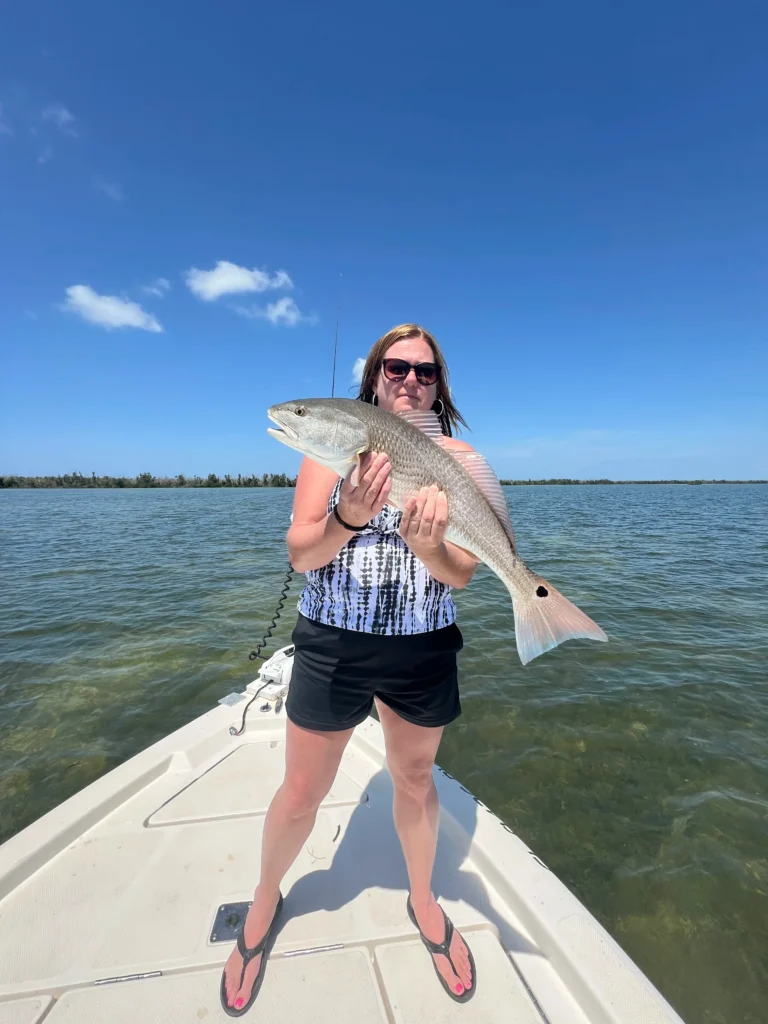
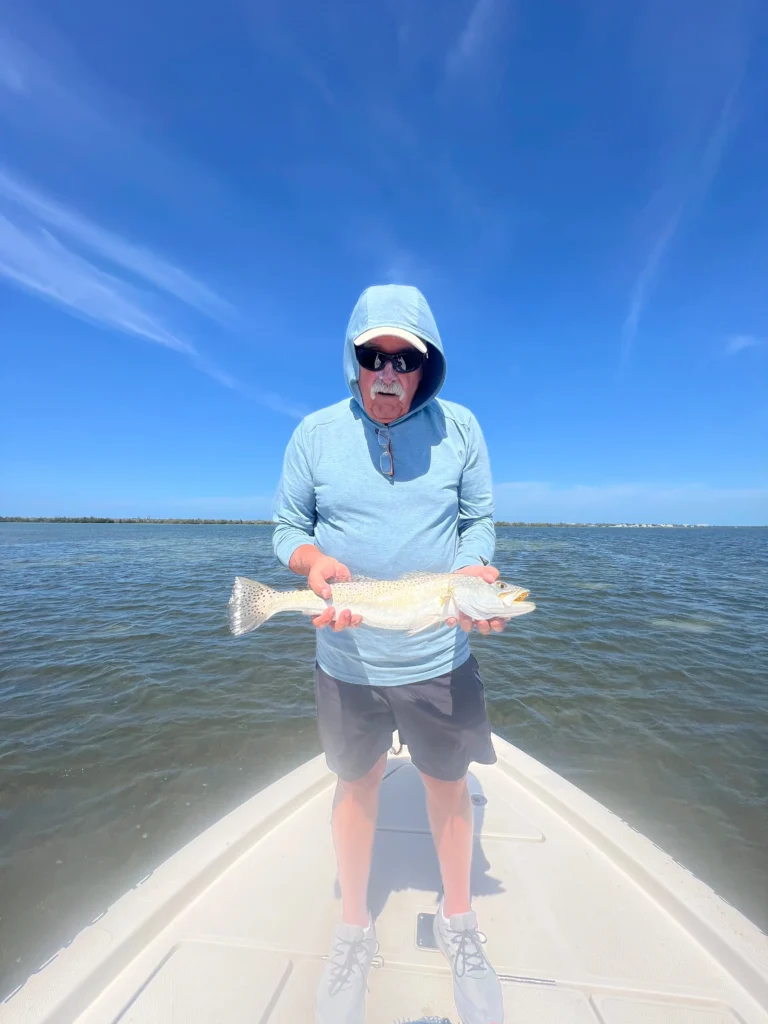
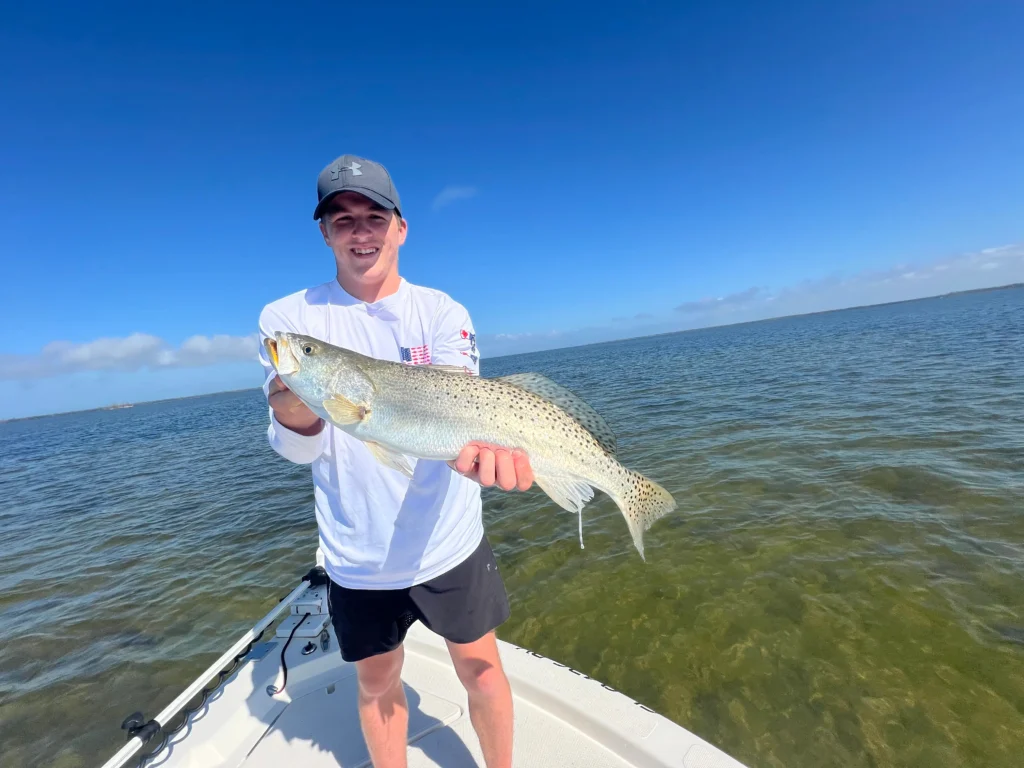
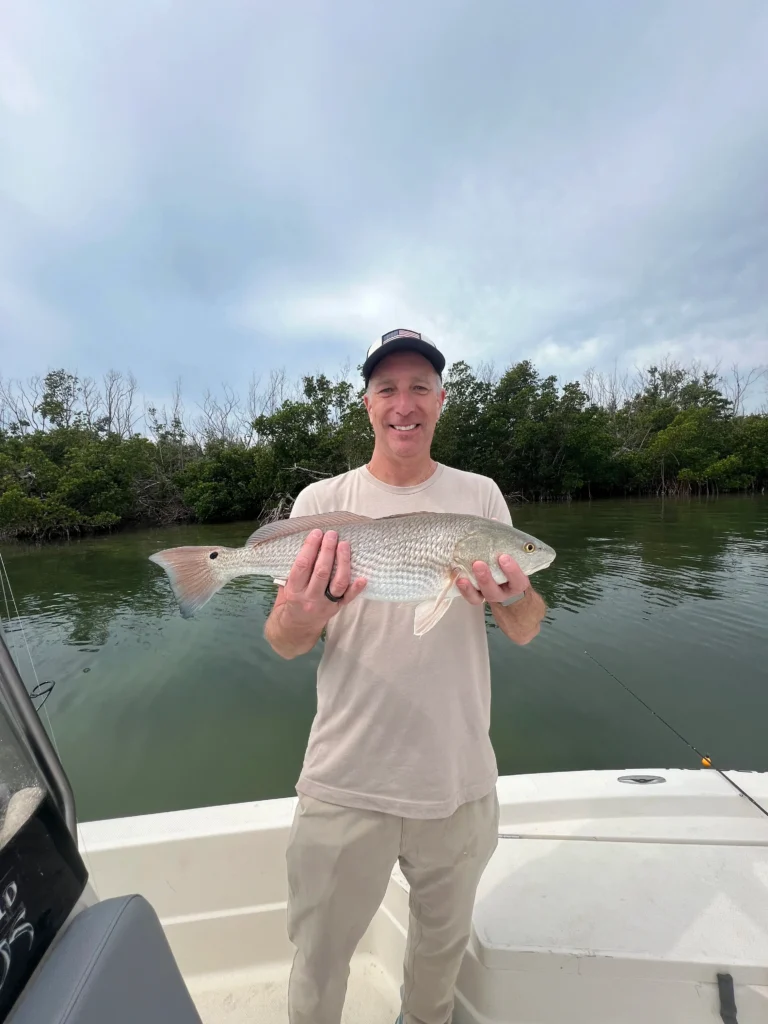
Tarpon fishing involves a lot of watching, waiting, and positioning between bites. Many captains will put you on snook, redfish, or nearshore fishing charters targets during slow windows to keep rods bent. A mixed trip that starts with an hour of snook or trout and transitions to tarpon when conditions line up is a smart strategy, especially for visiting anglers who want to maximize their time on the water.
The waters around Fort Myers, Sanibel, Captiva, and Pine Island are so species-rich that even a slow tarpon morning rarely means a slow fishing morning. There is always something else willing to eat.
Tarpon Fishing Tips for Beginners
If you have never caught a tarpon, here is what to expect and how to prepare.
Set realistic expectations. Tarpon are hard to hook and harder to land. Even experienced anglers lose more tarpon than they bring to the boat. A jumped tarpon (hooked, fought briefly, lost) still counts as an incredible experience. Do not measure success solely by fish at the leader.
Listen to your captain. Tarpon fishing requires precise bait placement, specific timing, and quick reactions. When your captain says “cast now” or “bow,” respond immediately. Half a second of hesitation is the difference between a hookup and a miss.
Stay patient. There can be long stretches of watching and waiting between bites, especially on slower tides. The payoff, when a 100-plus-pound fish explodes on your bait, makes every minute of patience worth it.
Start with live bait. Artificial lures and flies are effective for experienced tarpon anglers, but beginners should stick with live bait (crabs, threadfin herring, or pinfish) to maximize their chances of a hookup.
Get in shape. A 30-minute fight with a large tarpon is physically demanding. Core strength and arm endurance matter. If you know you have a tarpon trip coming, doing some basic upper-body conditioning beforehand is not a bad idea.
For a deeper look at what’s included in a Fort Myers fishing charter and what to expect on your first guided trip, that breakdown covers gear, licenses, and logistics.
Frequently Asked Questions
When is the best time to catch tarpon in Fort Myers?
The tarpon season Florida migration peaks from late April through June, with May and June producing the highest concentrations of fish. April offers excellent fishing with fewer crowds. July and August extend the season with early-morning and evening bites.
What is the best bait for tarpon in Fort Myers?
Live pass crabs are widely considered the top bait, particularly in Boca Grande Pass and around bridge pilings. Threadfin herring are the go-to for beach and flat fishing. Live mullet work well for bridge and river presentations. All three produce consistently throughout the season.
How big do tarpon get in Fort Myers?
Adult migratory tarpon in Fort Myers waters commonly range from 80 to 150 pounds. Fish exceeding 200 pounds are caught every season, primarily in Boca Grande Pass during peak weeks. Juvenile tarpon in back bays range from 5 to 60 pounds.
Do I need a special license to fish for tarpon in Florida?
A standard Florida saltwater fishing license is all you need for catch-and-release tarpon fishing. If you fish with a licensed charter captain, their license covers you. A separate $50 tarpon tag is only required if you intend to harvest a fish (75-inch minimum, one per year).
Is tarpon fishing good for beginners?
Yes, with the right captain. An experienced guide will handle the boat positioning, bait rigging, and fish-finding while coaching you through the hook set and fight. Half the fun is the hunt, and a good captain makes the experience accessible regardless of your skill level.
Can you eat tarpon?
Tarpon are not considered good table fare. Their flesh is bony and oily. Florida’s tarpon fishery is almost entirely catch-and-release, and the regulations reflect that. The value of a tarpon is in the fight, the photos, and the memory.
There is nothing in saltwater fishing that compares to a Fort Myers tarpon clearing the water at sunrise, shaking silver scales across the surface of Pine Island Sound. Time your trip right, fish the tides, trust your captain, and be ready. The Silver King does not disappoint.


