Sanibel Fishing Charters

Sanibel Fishing Charters

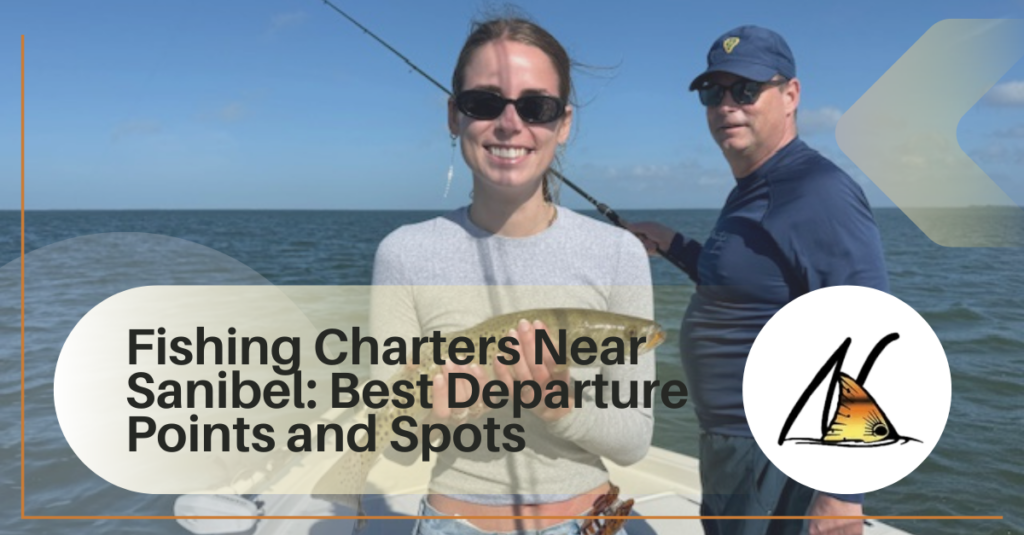
Fishing Charters Near Sanibel: Best Departure Points and Spots

Choosing the right fishing charter near Sanibel is less about the boat and more about strategy. Sanibel is an island, but the smartest move for many visiting anglers is launching from a mainland marina that delivers you to the island fishing grounds without the bridge toll, the parking hassle, or the lost time. Where you depart shapes which water you can access, which species you can target, and how much of your trip is spent fishing instead of running. The waters around Sanibel are exceptional. You have three legendary passes (Blind Pass, Redfish Pass, and the Boca Grande Pass corridor), the deep structure of the Sanibel Causeway bridges, the protected backwaters of Tarpon Bay and Pine Island Sound, the Ding Darling National Wildlife Refuge, and direct access to nearshore Gulf reefs. Few destinations in Florida pack this much variety into one fishery. This guide covers the best departure points for Sanibel Island fishing charters running with experienced operations like Sea n Red Charters, the prime fishing zones each launch can reach efficiently, the species that dominate each season, and the local knowledge that helps you book a trip that actually fits your goals. Why Where You Launch Matters Most visiting anglers default to launching directly from Sanibel because they assume island access means closer to the fish. That assumption costs them money and time. The Sanibel Causeway charges a $6.00 toll (electronic transponder or LeeWay required) each time you cross. During peak season (January through April), bridge traffic can add 30 to 45 minutes each way. If you are staying off-island and your charter departs from Sanibel, you spend 90 minutes on the road and $12 in tolls before the boat even moves. Many of the most experienced captains in the area deliberately base out of mainland marinas precisely because of this. They can reach Sanibel waters in 5 to 10 minutes by boat from Punta Rassa, while clients save the toll, the parking fees, and the bridge stress. The other consideration is the boat’s range. A captain departing from Punta Rassa or Port Sanibel Marina can reach the Sanibel Causeway pilings, the eastern flats, and the lower passes within 10 to 15 minutes. A captain leaving from the Captiva side can reach Redfish Pass and North Captiva quickly. Matching your departure point to your fishing target maximizes time on the water. Top Departure Points for Sanibel-Bound Charters Five primary launch zones serve the Sanibel fishing scene. Each has its strengths. Punta Rassa: The Strategic Mainland Choice Punta Rassa sits directly at the foot of the Sanibel Causeway on the mainland side, just before the toll booth. For visiting anglers staying anywhere in Fort Myers, Cape Coral, or Bonita Springs, this is the most efficient departure point at Punta Rassa for reaching the prime Sanibel fishing zones. The advantage: No toll, no island traffic, easy parking, and a 5 to 10-minute boat ride to the Sanibel Causeway bridge pilings. You’re fishing structure that holds snook, tarpon, and goliath grouper before island-launched anglers have left their marina. Best for: Quick access to the Sanibel Causeway bridges, San Carlos Bay, and the eastern flats of Sanibel and Pine Island Sound. Boat ride: 5 to 10 minutes to first fishing spots. Port Sanibel Marina Located just off Summerlin Road on the mainland side, Port Sanibel Marina is a full-service luxury marina that hosts many of the higher-end charter operations in the area. It also features the Lighthouse Waterfront Grille, which makes for a convenient post-trip lunch. The advantage: Premium facilities, easy access to back-bay zones around the Ding Darling National Wildlife Refuge and southern Pine Island Sound. Slightly farther run to the Causeway than Punta Rassa, but better positioned for the back bay. Best for: Backwater fishing in Ding Darling, the eastern shoreline of Sanibel, and the southern reaches of Pine Island Sound. Boat ride: 15 to 20 minutes to most fishing zones. Sanibel Marina (On-Island) Located at 634 N. Yachtsman Drive near the historic Sanibel Lighthouse, Sanibel Marina is the primary on-island option. It offers full marine services, fuel, and slip rentals, and several charter captains base their operations here. The advantage: Convenient if you are staying on Sanibel and prefer to walk or take a short drive to the marina. Direct access to the Sanibel Lighthouse area, Tarpon Bay, and Pine Island Sound from the island side. Best for: Anglers based on Sanibel who want to skip the mainland drive. Provides a different angle on the same fishing zones. Boat ride: 10 to 20 minutes to most spots. Jensen’s Twin Palms Marina (Captiva) Located at 15107 Captiva Drive in the heart of Captiva Village, Jensen’s is the historic charter hub for the upper islands. Many captains specializing in the Captiva and North Captiva waters base out of Jensen’s, including operations that focus on Redfish Pass, Cayo Costa State Park, and the more remote backcountry zones. The advantage: Direct access to Redfish Pass, Cayo Costa, and the less-pressured waters north of the Sanibel-Captiva crowds. If you want to fish trophy water with fewer boats, Jensen’s is the launch point. Best for: Trophy snook and tarpon in Redfish Pass, beach fishing on North Captiva, and remote backcountry exploration. Boat ride: 10 to 15 minutes to Redfish Pass and Cayo Costa. McCarthy’s Marina (Captiva) Another historic Captiva launch, McCarthy’s Marina serves as a convenient departure point for charters operating out of South Seas Island Resort and the upper Captiva area. Several family-friendly and eco-tour-oriented charters base here. The advantage: Quick access to Redfish Pass, the southern Captiva waters, and Buck Key backcountry. Combination fishing-and-shelling trips often launch from McCarthy’s. Best for: Mixed family trips combining inshore fishing with shelling stops on remote islands. Boat ride: 10 to 20 minutes depending on destination. The Big Three Fishing Zones Near Sanibel Three primary zones produce the majority of Sanibel charter action. A good captain rotates through all three based on tide, wind, season, and target species. The Sanibel Causeway Pilings The bridges spanning the Sanibel
Fishing Charters in Fort Myers, Sanibel Fishing Charters

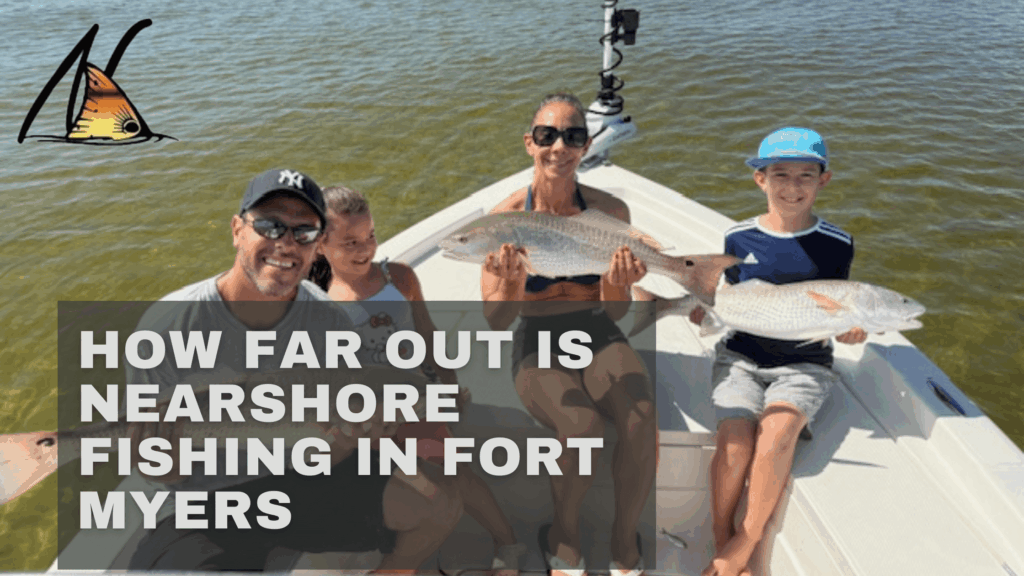
How Far Out Is Nearshore Fishing in Fort Myers

There is a distinct magic to heading out on the Gulf of Mexico. The anticipation builds the moment you step onto the deck, breathing in the fresh salt air and preparing for a day of bent rods and screaming drags. But before we even leave the dock, we need to talk about logistics. If you’re planning a fishing trip in Southwest Florida, one of the most common questions we hear at Sea n Red Charters is: “How far out is nearshore fishing in Fort Myers?” As one of the best fishing charters in fort myers, we know that setting the right expectations is the key to an unforgettable day. The answer isn’t just about miles—it’s about water depth, fishing zones, reef locations, regulations, and what species you want to catch. Nearshore fishing sits perfectly between calm inshore waters and long offshore runs, offering excellent action without the endurance of deep-sea trips. In this comprehensive guide, we’ll clearly explain Fort Myers nearshore fishing boundaries, typical distances from shore, state vs federal waters, GPS-style reference points, and what you can realistically expect to catch so you can plan the perfect trip. What Exactly Does “Nearshore Fishing” Mean in Fort Myers? So, what are we talking about when we say “nearshore”? Nearshore fishing in Fort Myers generally means fishing just outside the beaches, beyond the mangroves and flats, but not far enough offshore to require long runs or deep-water gear. It is the absolute sweet spot for anglers who want the thrill of open water without losing hours of their day just driving the boat. When we look at the typical nearshore distance range, the minimum starts right around 3–5 miles from shore. The common range where we spend a lot of our time is 10–20 miles offshore, and the maximum (before you officially enter offshore territory) is about 25 miles. Most Fort Myers nearshore fishing takes place in state waters and the near edge of federal waters, depending on depth and target species. Fort Myers Fishing Zones Explained (Inshore vs Nearshore vs Offshore) Understanding zones helps you know exactly what kind of trip you’re booking. Let’s break down the three main fishing arenas in our region. Inshore Fishing (0–3 miles) keeps you close to land and in relatively calm waters. This includes mangrove shorelines, back bays and passes, grass flats and bridges, as well as the Caloosahatchee River & estuaries. Your common species here are Snook, Redfish, Trout, and Tarpon (seasonal). Nearshore Fishing (3–20 miles) is where things get really exciting for those who want to feel the ocean swell. Out here, we target artificial reefs, natural limestone ledges, wrecks, and beach drop-offs. The common species you’ll encounter include Spanish Mackerel, Cobia, Snapper, Sharks, Tarpon, and Flounder. This is the sweet spot for anglers who want open-water action without deep-sea travel. If you want to see exactly what is biting out there right now, you should check out our recently updated sanibel fishing report. Offshore Fishing (25+ miles) is for the hardcore deep-sea enthusiast. Out here, you’re hitting deep reefs, bluewater ledges, and 200–400+ ft depths. Common species include Grouper, Kingfish, Tuna, and Wahoo. Keep in mind, offshore trips require longer charters, more fuel, and much calmer weather windows. How Far Out Is Nearshore Fishing from Fort Myers Beach & Sanibel? Your travel time and distance will vary slightly depending on where you launch your boat. From Fort Myers Beach: If we are heading out from this area, nearshore begins around 4–6 miles out. Productive reefs and structure are commonly found 10–15 miles offshore, and anything beyond 20–25 miles is officially considered offshore territory. From Sanibel & Captiva: The nearshore zones often start a bit closer here, usually around 3–5 miles. For example, the famous Edison Reef sits roughly 12 miles offshore, providing excellent structure without long runs. Local anglers frequently fish productive reefs within 10–15 miles, making nearshore trips highly efficient. Are There Good Reefs Within 10–15 Miles of Fort Myers? Yes—this is one of the biggest advantages of Fort Myers nearshore fishing! Our Gulf floor is dotted with incredible habitats that act as magnets for marine life. Popular nearshore structures include Edison Reef (≈12 miles off Sanibel), artificial reef systems west of Fort Myers Beach, scattered limestone ledges, and various submerged wrecks. These areas consistently hold fish and are highly reachable on half-day or ¾-day trips in good conditions. You can read all about the incredible catches these local reefs produce in our recent adventures. State Waters vs Federal Waters (Why It Matters) Knowing your boundaries isn’t just about finding fish; it’s about following the law. Florida State Waters extend 9 nautical miles into the Gulf (on the west coast). Most nearshore fishing occurs here, but it is vital to know that there are different size and bag limits for some species in this zone. Federal Waters begin beyond 9 nautical miles. Some nearshore reefs sit near this boundary, and regulations can change drastically by species once you cross that invisible line. At Sea n Red Charters, we plan trips carefully so you stay legal and productive all day long. Nearshore vs Offshore Fishing in Fort Myers: What’s the Real Difference? To help you visualize the differences, here is a quick breakdown of what you can expect: Feature Nearshore Offshore Distance 3–20 miles 25+ miles Water Depth 20–80 ft 100–400+ ft Ride Comfort Smoother Rougher Trip Length 4–8 hrs 8–12+ hrs Fuel Cost Lower Higher Species Mackerel, Cobia, Snapper Grouper, Tuna, Wahoo Ultimately, nearshore fishing is ideal for families, mixed-experience groups, shorter trips, and guests wanting high-energy action without the exhaustion of a deep-sea voyage. What Species Are Common in Fort Myers Nearshore Waters? Nearshore zones offer excellent variety, especially as the seasons change. Frequently caught nearshore fish include hard-fighting Spanish Mackerel, Cobia, Mangrove Snapper, Sharks, Tarpon (seasonal), Flounder, and Jack Crevalle. Because you’re fishing active structures close to shore, the bites are often faster and more consistent than what you might find on deep offshore days. Why Nearshore

Ultimate Guide to Sanibel Fishing Charters
Sanibel Fishing Charters

Ultimate Guide to Sanibel Fishing Charters: Expert Tips & Species Guide

Sanibel Island stands as one of Southwest Florida’s premier fishing destinations, offering world-class inshore and offshore fishing experiences that attract anglers from across the globe. Whether you’re a seasoned fisherman seeking trophy Tarpon or a family looking for a memorable day on the water, Sanibel’s diverse fishing environments deliver unforgettable adventures in some of Florida’s most productive waters. At Sea n Red Charters, we’ve spent decades perfecting our craft and helping thousands of anglers experience the thrill of fishing in Sanibel’s pristine waters. This comprehensive guide covers everything you need to know about planning a successful Sanibel fishing charter—from understanding seasonal patterns to selecting the right trip type for your skill level and interests. Why Sanibel Island Is a Fishing Paradise Sanibel Island’s unique geographic position creates exceptional fishing opportunities year-round. The island sits at the intersection of shallow mangrove-lined backwaters, grass flats, deep passes, and quick Gulf access—a combination that makes it one of Florida’s most diverse fishing locations. Geographic Advantages The island’s barrier-island layout creates multiple fishing environments within a short boat ride. Anglers can fish calm inshore waters in the morning and transition to deeper offshore structures by afternoon. This versatility means fishing success rarely depends on a single location or technique. What makes Sanibel truly special is the abundance of structure—mangrove shorelines, oyster bars, grass flats, and deep channels—all within minutes of each other. This diversity allows our captains at Sea n Red Charters to adapt quickly to changing conditions and always find fish. Year-Round Fishing Opportunities Unlike many Florida destinations with distinct seasonal patterns, Sanibel offers consistent fishing opportunities throughout the year. Spring and fall bring peak activity for multiple species, while winter and summer each have their own target fish and loyal angler bases. This year-round availability means you can plan a fishing trip almost any time and still have excellent chances of success. Our experienced captains know exactly where to find fish in every season. Local Expertise Matters Sanibel’s fishing success depends heavily on local knowledge. Understanding water temperature patterns, seasonal migrations, tide movements, and fish behavior requires years of on-the-water experience. At Sea n Red Charters, our captains possess decades of collective knowledge about local conditions, and this expertise translates directly into better fishing experiences and higher catch rates for our guests. Fish Species You Can Catch in Sanibel Sanibel’s diverse fishing environments support an impressive variety of species, each with distinct seasonal patterns and habitat preferences. Understanding these species helps you choose the right trip type and set realistic expectations. Inshore Species (Shallow Water) Tarpon (Silver King) – The Ultimate Challenge Tarpon represent the ultimate Sanibel fishing challenge—powerful, acrobatic fish that can exceed 100 pounds and demand both skill and luck to land successfully. Successfully landing a Tarpon is a lifetime achievement for many anglers. •Season: April through July (primary), September-October (secondary run) •Habitat: Deep passes, channels, and beaches •Fishing Method: Live bait, artificial lures, or fly fishing •Challenge Level: Expert (high difficulty, requires specialized technique) •Why Target Them: Tarpon are iconic Florida fish; the thrill of hooking and fighting a 100+ pound fish is unmatched •Sea n Red Charters Advantage: Our captains have extensive Tarpon experience and know the best seasonal locations and techniques Snook – Aggressive Predators Snook are aggressive predators that inhabit mangrove shorelines, docks, and bridge pilings. They’re known for explosive strikes and powerful runs, making them favorite targets for light-tackle anglers. •Season: Year-round, peak in spring and fall •Habitat: Mangrove shorelines, docks, bridges, beach passes •Fishing Method: Live bait, artificial lures, fly fishing •Challenge Level: Intermediate (moderate difficulty, good for developing anglers) •Why Target Them: Snook are excellent eating fish and provide consistent action and exciting battles •Best Technique: Sight-fishing in shallow mangrove areas where you can see the fish before casting Redfish (Red Drum) – Versatile Hunters Redfish are versatile hunters found in shallow flats, mangrove areas, and deeper channels. Their copper-colored bodies and distinctive black spot make them visually distinctive and exciting to sight-fish. •Season: Year-round, peak in spring and fall •Habitat: Shallow flats, mangrove shorelines, deeper channels •Fishing Method: Live bait, artificial lures, fly fishing •Challenge Level: Beginner to Intermediate •Why Target Them: Redfish are abundant, provide consistent action, and are excellent for families and beginners •Best Technique: Sight-fishing on shallow flats where you can spot their tails breaking the water Spotted Seatrout (Speckled Trout) – Prolific Hunters Spotted seatrout are prolific hunters that school in grass flats and sandy pockets. They’re known for their aggressive feeding and willingness to strike a variety of baits and lures. •Season: Year-round, peak in spring and fall •Habitat: Grass flats, sandy bottoms, deeper channels •Fishing Method: Live bait, artificial lures, shrimp •Challenge Level: Beginner (easy to catch, good for families) •Why Target Them: Trout are abundant and provide fast-paced action perfect for families and those seeking consistent catches •Best Technique: Casting to grass flats early in the morning when feeding activity peaks Sheepshead – Bottom Feeders with Personality Sheepshead are bottom feeders with distinctive black and white stripes and powerful jaws. They’re known for their delicate bite and excellent table quality. •Season: Year-round, peak in winter and spring •Habitat: Pilings, rocks, nearshore structure •Fishing Method: Live shrimp, fiddler crabs, cut bait •Challenge Level: Intermediate (requires patience and finesse) •Why Target Them: Sheepshead are excellent eating and test anglers’ ability to detect subtle bites •Best Technique: Using live shrimp near structure and waiting for the characteristic light bite Nearshore Species (Deeper Water) Grouper – Powerful Bottom Dwellers Grouper are bottom-dwelling fish that inhabit reefs and hard structures 5-20 miles offshore. They’re powerful fighters that can exceed 20 pounds and provide exciting battles. •Season: Year-round, peak in winter and spring •Habitat: Reefs, hard bottom, artificial structures •Fishing Method: Live bait, cut bait, jigs •Challenge Level: Intermediate •Why Target Them: Grouper are excellent eating and provide substantial fighting power •Best Technique: Vertical jigging over structure in deeper water Snapper – Abundant Reef Dwellers Snapper are reef-dwelling fish similar to Grouper but typically smaller and more abundant. They school

Scroll to Top